
Medicines for High Blood Pressure Control: A Complete Guide to BP Tablet Names & Uses
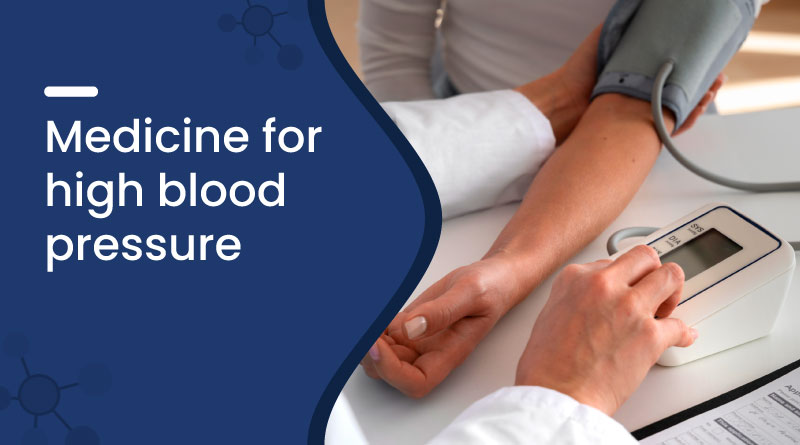
High blood pressure (hypertension) is one of the most common cardiovascular conditions affecting millions worldwide. Often called the “silent killer,” it may not show visible symptoms until it causes significant damage to your heart, kidneys, or brain. If left unmanaged, hypertension can lead to heart disease, stroke, and kidney damage.
While adopting some lifestyle changes is important, it cannot manage hypertension completely; you need the right high blood pressure control medicine for that.
In this blog, we’ll explain the root causes of high blood pressure, how to manage it effectively, common blood pressure-lowering drugs, and medicines for controlling high BP.
What is High Blood Pressure (Hypertension)?
Blood pressure is the force exerted by circulating blood against the walls of your arteries as the heart pumps. Hypertension (high blood pressure) is a chronic condition where this pressure remains consistently higher than normal levels.
Over time, uncontrolled high blood pressure can increase the risk of serious health problems such as heart disease, stroke, and kidney damage. It is often called a “silent condition” because it may not show noticeable symptoms in the early stages.
Blood pressure is measured using two readings:
- Systolic pressure – when the heart beats (contracts)
- Diastolic pressure – when the heart rests between beats
A normal blood pressure level is around 120/80 mmHg. Readings consistently above this range may indicate hypertension.
Blood Pressure Chart & Normal Range
Understanding blood pressure categories helps in early detection and proper management:
|
Category |
Systolic (mmHg) |
Diastolic (mmHg) |
|
Normal Blood Pressure |
Less than 120 |
Less than 80 |
|
Elevated Blood Pressure |
120–129 |
Less than 80 |
|
High BP (Hypertension) Stage 1 |
130–139 |
80–89 |
|
High BP (Hypertension) Stage 2 |
140 or higher |
90 or higher |
|
Hypertensive Crisis |
180 or higher |
120 or higher |
Symptoms of High Blood Pressure
High blood pressure is often called a silent condition because many people experience no obvious symptoms. However, some early warning signs may include:
- Frequent headaches
- Dizziness or lightheadedness
- Blurred vision
- Chest discomfort
- Shortness of breath
- Nosebleeds (in severe cases)
In many cases, symptoms only appear when blood pressure becomes dangerously high. That’s why regular monitoring is essential for early detection and prevention of complications.
Why Does Blood Pressure Get High?
High blood pressure usually develops when the heart and blood vessels have to work harder than normal to circulate blood through the body. Contributing factors may include:
- Poor diet (high salt, fat, or processed foods)
- Obesity or being overweight
- Smoking or excessive alcohol
- Chronic stress
- Lack of physical activity
- Kidney disease or hormonal disorders
Common Causes of High Blood Pressure
Before selecting a treatment, it’s important to understand the root cause of your elevated blood pressure. The most effective medicines typically address:
- Genetic predisposition
- High sodium intake
- Obesity or a sedentary lifestyle
- Chronic stress or anxiety
- Endocrine or kidney disorders
When Do You Need Medicine for High Blood Pressure?
Medication is prescribed based on how severe your condition is, along with general health risks.
In patients diagnosed with Stage 1 hypertension (130–139/80–89 mmHg), doctors may first suggest lifestyle changes like:
- Healthier diet
- Reduced salt intake
- Regular exercise
- Stress management
However, medications can also be recommended if you have other risk factors such as diabetes, heart problems, or stroke.
In Stage 2 hypertension (140/90 mmHg or higher), blood pressure is more consistently elevated, and in addition to lifestyle modifications, medicines to reduce high blood pressure are generally used.
The aim is to reduce the levels rapidly to avoid complications. This will depend on the patient’s age and general condition.
Also Read: A Complete Guide to Magnesium for High Blood Pressure
Types of Medicines for High Blood Pressure
High blood pressure medicines play a key role in controlling hypertension and preventing serious health risks like heart attack and stroke.
There are several types of BP medicines available, and each targets a different mechanism in the body to lower blood pressure safely and effectively, while also supporting ways to lower blood pressure naturally through lifestyle changes.
1. ACE Inhibitors
Two commonly recommended drugs include Ramipril and Enalapril, which are used to regulate blood pressure and maintain good heart and kidney function. This class of drugs is considered one of the best medicines to reduce high blood pressure.
- What it does: Helps reduce blood pressure through vasodilation
- How it works: It acts by blocking the hormone responsible for artery constriction
- Best for: Diabetics, people with kidney problems, and heart patients
2. ARBs (Angiotensin Receptor Blockers)
Examples like Telmisartan and Losartan are good substitutes where ACE inhibitors are not well tolerated.
- What it does: Dilates blood vessels
- How it works: Inhibits the effect of a BP-raising hormone
- Best for: Patients who cannot take ACE inhibitors because of side effects
3. Calcium Channel Blockers
It includes amlodipine, which is widely used to relax the blood vessels and enhance blood flow.
- What it does: Helps relax and dilate blood vessels
- How it works: Blocks calcium from moving into the heart and blood vessels
- Best for: Elderly patients and those with angina (chest pain)
4. Beta Blockers
An example is atenolol, which is widely used to lower blood pressure and lighten the load on the heart.
- What it does: It lowers blood pressure and slows the heart rate
- How it works: Blocks stress hormones affecting the heart
- Best for: Individuals with a history of heart conditions
5. Diuretics
Hydrochlorothiazide is widely prescribed for getting rid of extra fluid as well as treating high blood pressure.
- What it does: Elimination of extra fluids and sodium/salt from the body
- How it works: Increased urination
- Best for: Those with water retention or sodium-sensitive blood pressure.
6. Alpha Blockers
Prazosin is an example that not only relaxes blood vessels but can also help ease urination problems.
- What it does: Causes relaxation in blood vessels
- How it works: Inhibits nervous stimulation leading to arterial contraction
- Best for: Beneficial in patients with hypertension and an enlarged prostate
7. Vasodilators
Hydralazine is prescribed in some instances to relieve the tension in the blood vessels and difficult-to-control hypertension.
- What it does: Direct relaxation of blood vessel walls
- How it works: Affects the muscles of the arteries to dilate them
- Best for: Severe cases of hypertension
8. Central Acting Agents
Clonidine is a commonly prescribed option that acts in the brain, blocking the nerve impulses which raise blood pressure
- What it does: Blocks nerve impulses, which raises BP
- How it works: Acts on the brain to decrease BP signals
- Best for: People not responding to other therapies
List of Common BP Tablet Names (Generic Medicines)
This section provides you with a quick summary of some commonly prescribed generic antihypertensive drugs that may help in long-term blood pressure management, hence reducing the risk of serious complications.
|
Generic Medicine |
Uses |
|
Amlodipine |
Relaxes the blood vessels to enhance circulation and reduce BP |
|
Telmisartan |
Expands the blood vessels to protect kidney health |
|
Losartan |
Regulates BP while minimising chances of heart and kidney complications |
|
Ramipril |
Reduces BP to maintain heart and kidney well-being |
|
Enalapril |
Relaxes arteries to increase blood circulation |
|
Hydrochlorothiazide |
Gets rid of surplus water and sodium to reduce BP |
|
Atenolol |
Reduces the heart rate to ease the pressure on the blood vessels |
Best Medicine for High Blood Pressure in India
Finding the right medicines to control high blood pressure in India can leave you confused, but the best option depends on your individual health needs, BP levels, and your doctor’s advice.
Amoline 5 Tablet
Amoline 5 Tablet contains Amlodipine 5 mg, a calcium channel blocker that helps reduce high blood pressure by relaxing blood vessels. It improves blood flow and reduces the workload on the heart.
- Composition: Amlodipine (5 mg)
- Benefits: Lowers blood pressure, improves blood flow, reduces heart strain, prevents stroke and heart complications.
Telmizem 40 Tablet
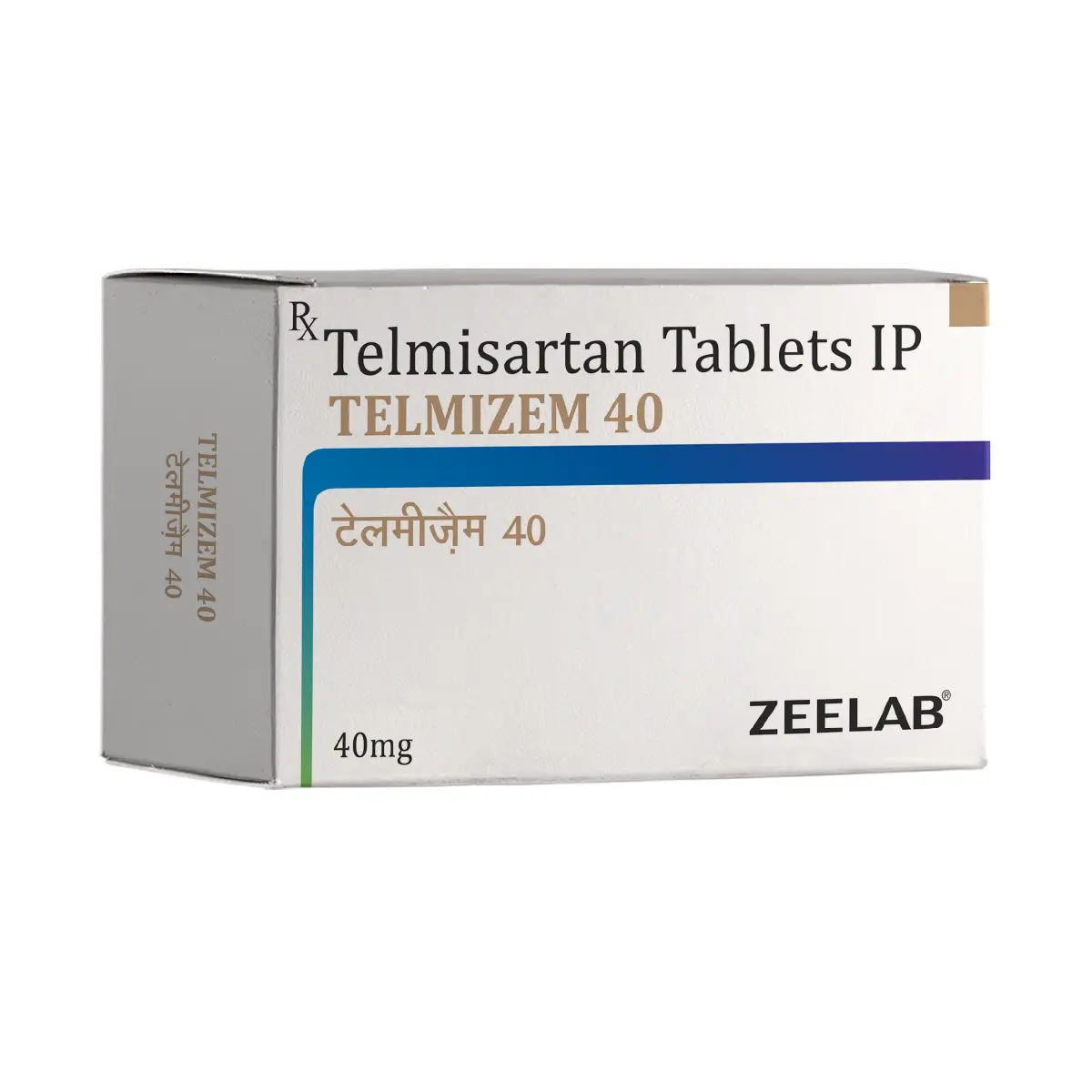
Telmizem 40 Tablet is an effective ARB that blocks angiotensin-II receptors, preventing blood vessel constriction and supporting long-term blood pressure control.
- Composition: Telmisartan (40 mg)
- Benefits: Lowers BP, improves circulation, protects kidneys, reduces risk of heart attack and stroke.
Losarum 25 Tablet
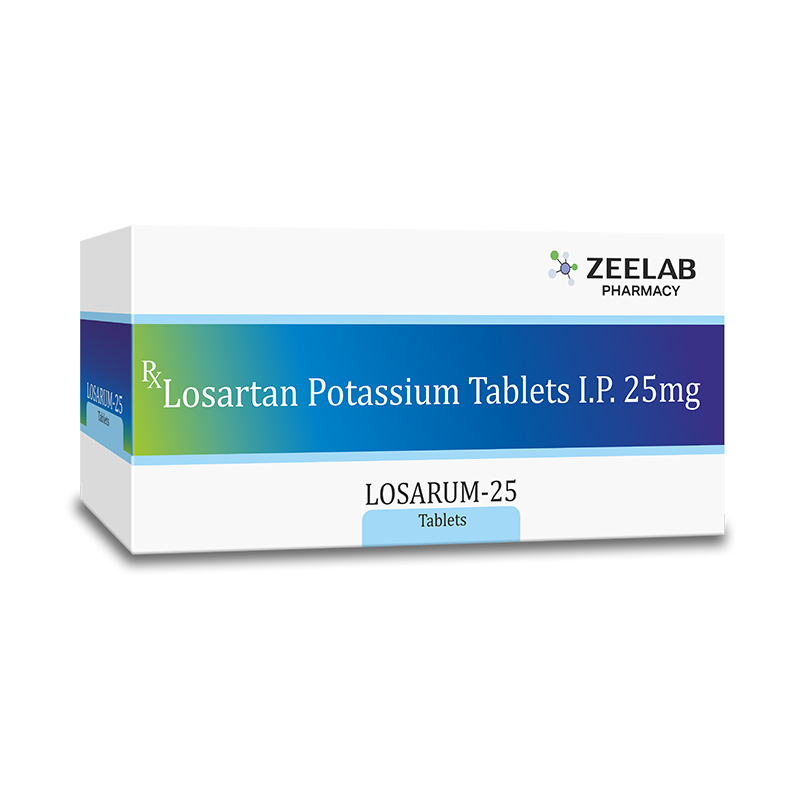
Losarum 25 Tablet is an ARB medicine for high blood pressure control containing losartan, helping relax blood vessels and reduce the risk of heart, kidney, and stroke complications.
- Composition: Losartan (25 mg)
- Benefits: Lowers blood pressure, protects kidneys, reduces risk of heart attack and stroke.
Tenolzee 50 Tablet
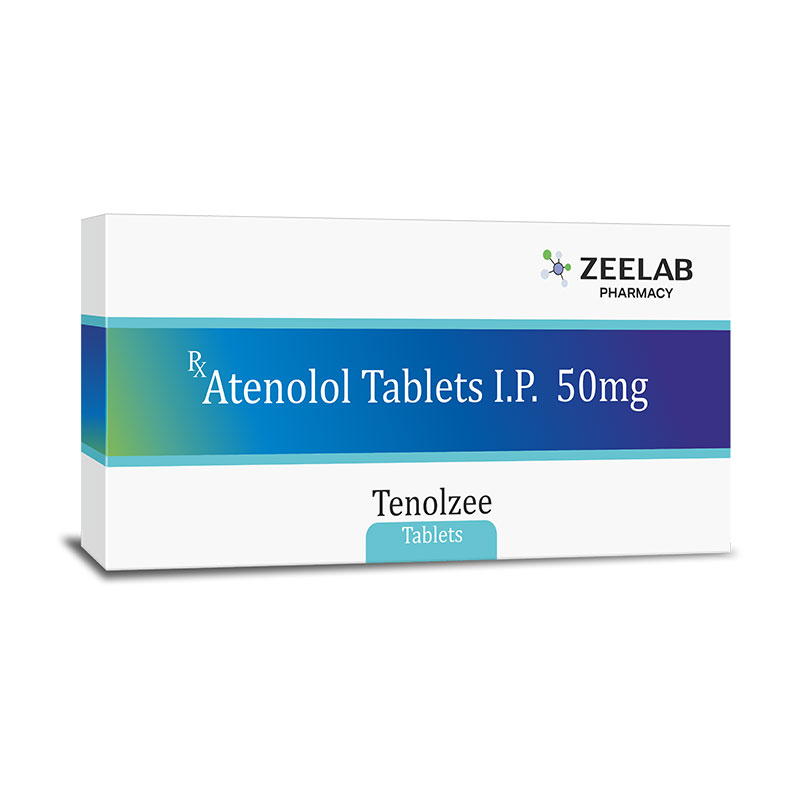
Tenolzee 50 Tablet is a beta-blocker that reduces the strain on the heart by lowering heart rate and blood pressure. It’s commonly prescribed for heart protection and hypertension.
- Composition: Atenolol (50 mg)
- Benefits: Lowers BP, controls heart rate, reduces heart workload, supports overall cardiovascular health.
Hydrozide 12.5 Tablet
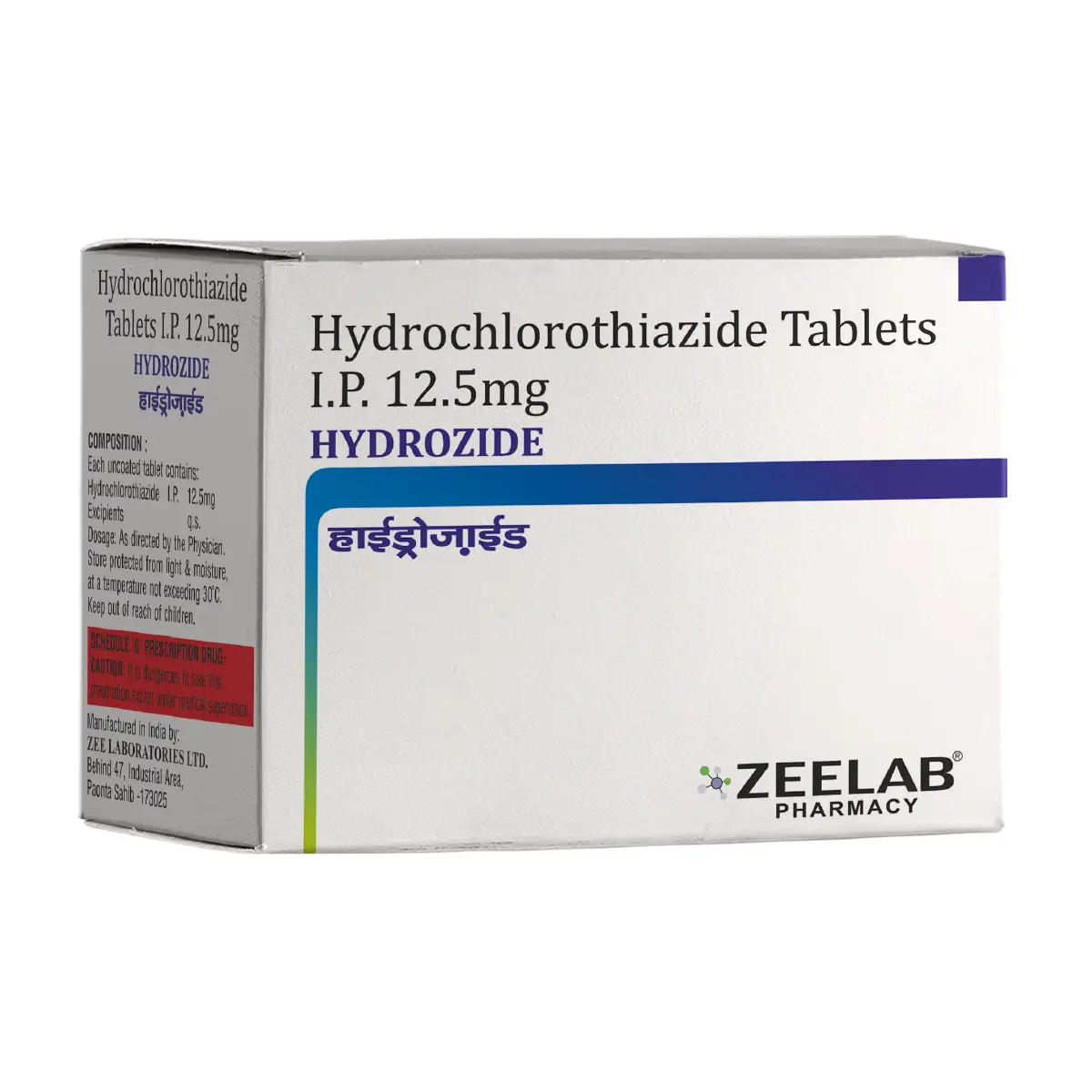
Hydrozide 12.5 Tablet contains Hydrochlorothiazide, a diuretic used to eliminate excess salt and fluid, thereby lowering blood pressure and reducing oedema.
- Composition: hydrochlorothiazide (12.5 mg)
- Benefits: Helps remove excess fluid, lowers blood pressure, eases heart workload, and supports better circulation.
Which is the Best Medicine for High Blood Pressure?
We cannot put a tag of "best medicine for hypertension" on any medications, because there is not one, and the right choice depends on your individual needs.
While prescribing high blood pressure allopathic medicines, doctors depend on variables such as your age, current BP reading, and overall health.
The aim is not only to control BP, but also to choose a treatment that is safe, effective, with the least side effects.
First-Line Treatment for Hypertension
The standard treatment for Hypertension includes certain medications called first-line drugs.
ACE(angiotensin converting enzyme) inhibitors, ARBs (angiotensin receptor blockers), calcium channel blockers, and diuretics fall into this category.
These are favoured due to their safety, efficacy, and potential to reduce the risk of developing a heart attack, stroke, and kidney disease.
Combination Medicines for High Blood Pressure
Combination medicines have two drugs in a single tablet to manage hypertension more efficiently. Their mechanism of action varies as they have to be taken in smaller doses.
Common examples include Telmisartan + Hydrochlorothiazide and Amlodipine + Losartan. This is usually recommended when one single medication cannot effectively control blood pressure levels.
|
Product Name |
Salt Composition |
|
Telmisartan 80mg + Hydrochlorothiazide |
|
|
Cilnidipine (10mg) + Olmesartan Medoxomil + Chlorthalidone |
|
|
Olmesartan Medoxomil (20 mg) + Hydrochlorothiazide (12.5 mg) |
|
|
Telmisartan + Metoprolol Succinate |
|
|
Olmesartan Medoxomil (20 mg) + Amlodipine |
|
|
Olmesartan Medoxomil (40 mg) + Amlodipine |
|
|
Nebivolol (5mg) + S-Amlodipine (2.5mg) |
|
|
Metoprolol Succinate (25mg) + Ramipril |
|
|
Amlodipine (5mg) + Metoprolol Succinate |
Side Effects of Blood Pressure Medicines
The use of hypertension medication is quite safe, but adverse reactions may occur due to the type of drugs and the patient's reaction to them.
- Dizziness or lightheadedness
- Headache
- Feeling tired
- Ankle or foot swelling
- Dry cough (with ACE inhibitors)
- Increased urination (with diuretics)
- Slow heart rate (with beta blockers)
- Nausea or mild stomach discomfort
Also Read: 5 Simple Ways to Increase Blood Pressure Naturally at Home
BP Medicines for Special Conditions
In some situations, the medication prescribed for Hypertension should be chosen more selectively. Age, preexisting medical conditions, and even pregnancy may affect the type of medicine that is used.
|
Conditions |
Commonly Prescribed Medicines |
Benefits |
|
Elderly Patients |
Amlodipine, Telmisartan |
Gentle BP control, well-tolerated, less chance of sudden BP lowering |
|
Diabetes Patients |
Ramipril, Enalapril, Losartan, Telmisartan |
Protect the kidneys from damage; prevent diabetes complications |
|
Kidney Patients |
Telmisartan, Losartan & Ramipril |
May assist in slowing down the damaging process in the kidneys and managing BP |
|
During Pregnancy |
Labetalol, Methyldopa, Nifedipine |
Safer for the mother and the baby |
When & How to Take High Blood Pressure Medicines Correctly?
Taking medicines correctly is important for managing Hypertension effectively. A few simple habits can help maintain stable blood pressure.
- Be consistent: Take your medicine at the same time every day.
- Morning vs night: Some medicines are taken in the morning, while others may be better at night. Follow your doctor’s advice.
- Do not skip or stop suddenly: Missing doses or stopping without guidance can affect BP control.
- Follow instructions: Take with or without food as advised and monitor your BP regularly.
How Long Does BP Medicine Take to Work?
The time taken for blood pressure medicines to work depends on the type of drug and your condition:
- Some medicines start working within a few hours
- Most BP medicines show noticeable results within 1 to 2 weeks
- Full effect may take 4 to 6 weeks with regular use
It’s important to take your medication consistently as prescribed. Do not stop or change your medicine without consulting your doctor, even if your BP improves.
Also Read: Medicine for Hypotension in India
Lifestyle Changes to Control High Blood Pressure
Medicines work best when combined with healthy lifestyle habits to control Hypertension effectively and reduce long-term risks.
- Reduce salt intake: Helps prevent fluid retention and lowers blood pressure
- Eat a balanced diet: Include fruits, vegetables, and whole grains
- Exercise regularly: Aim for at least 30 minutes of moderate activity most days
- Maintain a healthy weight: Supports better BP control
- Limit alcohol and avoid smoking: Protects the heart and blood vessels
- Manage stress: Practice relaxation techniques like yoga or meditation
Combining medication with these changes can significantly improve overall blood pressure management.
What to Avoid While Taking BP Medicines?
While taking medicines for Hypertension, certain habits and substances can reduce their effectiveness or increase side effects.
Being mindful of what to avoid helps ensure better blood pressure control and safer treatment outcomes.
- High sodium foods: Salt causes water retention and raises BP
- Processed/fast foods: Often high in salt and unhealthy fats
- Alcohol: Raises blood pressure and interacts with medicines
- Smoking: Narrows blood vessels and worsens heart health
- Sedentary lifestyle: Leads to weight gain and increased BP
- Caffeine in excess: Can cause temporary spikes in BP
Also Read: Best Foods to Control High Blood Pressure Naturally
When to See a Doctor for High Blood Pressure?
You should consult a doctor if your blood pressure readings are consistently above normal or if you experience unusual symptoms. Seek medical advice immediately if:
- BP readings are above 140/90 mmHg regularly
- You have symptoms like chest pain, severe headache, or breathlessness
- You have existing conditions like diabetes, kidney disease, or heart problems
- Your BP suddenly rises above 180/120 mmHg (medical emergency)
Early medical consultation helps prevent serious complications such as heart attack, stroke, and kidney damage.
Also Read: Ayurvedic Medicine for Blood Pressure (BP)
Conclusion
Considering all this, it can be said that the management of hypertension requires a combination of BP control medicines, lifestyle changes, and regular medical checkups.
Medicines like Amlodipine, Telmisartan, and Atenolol offer fast and reliable relief, while natural options like garlic or dietary adjustments provide added support.
Always follow your doctor’s guidance and stay consistent with your routine. Small, daily efforts can lead to significant improvements, helping you maintain a healthier and more active life.
Frequently Asked Questions (FAQs)
Ans.A normal blood pressure reading is around 120/80 mmHg. The upper number (systolic) should be below 120, and the lower number (diastolic) below 80 for healthy adults.
Q. What is the normal range of blood pressure?
Ans.Hypertension cannot usually be cured, but it can be effectively managed. With the right medicines, lifestyle changes, and regular monitoring, most people can keep their blood pressure within a healthy range.
Q. Can hypertension be cured?
Ans.Common tablets for high blood pressure include amlodipine, telmisartan, losartan, and ramipril. These medicines help relax blood vessels, improve blood flow, and reduce strain on the heart effectively.
Q. Which tablet is commonly used for high blood pressure?
Ans.Yes, treatment differs. Stage 1 hypertension may be managed with lifestyle changes initially, while Stage 2 usually requires medications along with lifestyle modifications to achieve better and faster blood pressure control.
Q. Are stage 1 and stage 2 hypertension treatments different?
Ans.Yes, many blood pressure medicines are safe and beneficial for diabetes patients. Drugs like ACE inhibitors and ARBs not only control blood pressure but also help protect kidney function in diabetic individuals.
Q. Are high blood pressure medicines safe for diabetes patients?
Ans.Avoid high-salt foods, processed items, excessive caffeine, and alcohol. These can reduce the effectiveness of medicines and may increase blood pressure despite treatment.
Q. What foods should I avoid while taking BP medicines?
Ans.For older adults, medicines like amlodipine or ARBs are commonly preferred. They provide effective control with fewer side effects and a lower risk of sudden blood pressure drops.
Q. Which BP medicine is best for elderly patients?
Ans.If you miss a dose, take it as soon as you remember. If it’s close to your next dose, skip it. Do not double-dose, as it may cause sudden drops in blood pressure.
Q. What happens if I miss a dose of BP medicine?
Ans.Some blood pressure medicines may cause mild fatigue, especially during the initial days of treatment. This usually improves as the body adjusts. If tiredness persists, consulting a doctor is recommended.
Q. Does high blood pressure medicine make you tired?
Ans.No, over-the-counter medicines are not recommended for managing high blood pressure. Proper treatment requires prescription medicines based on your condition, as incorrect use can lead to serious health risks.
Q. Are over the counter medicine for high blood pressure safe?
Ans.Yes, lifestyle changes like reducing salt intake, exercising regularly, managing stress, maintaining a healthy weight, and eating a balanced diet can help lower blood pressure, especially in early or mild cases.
Q. Are there natural ways to lower blood pressure?
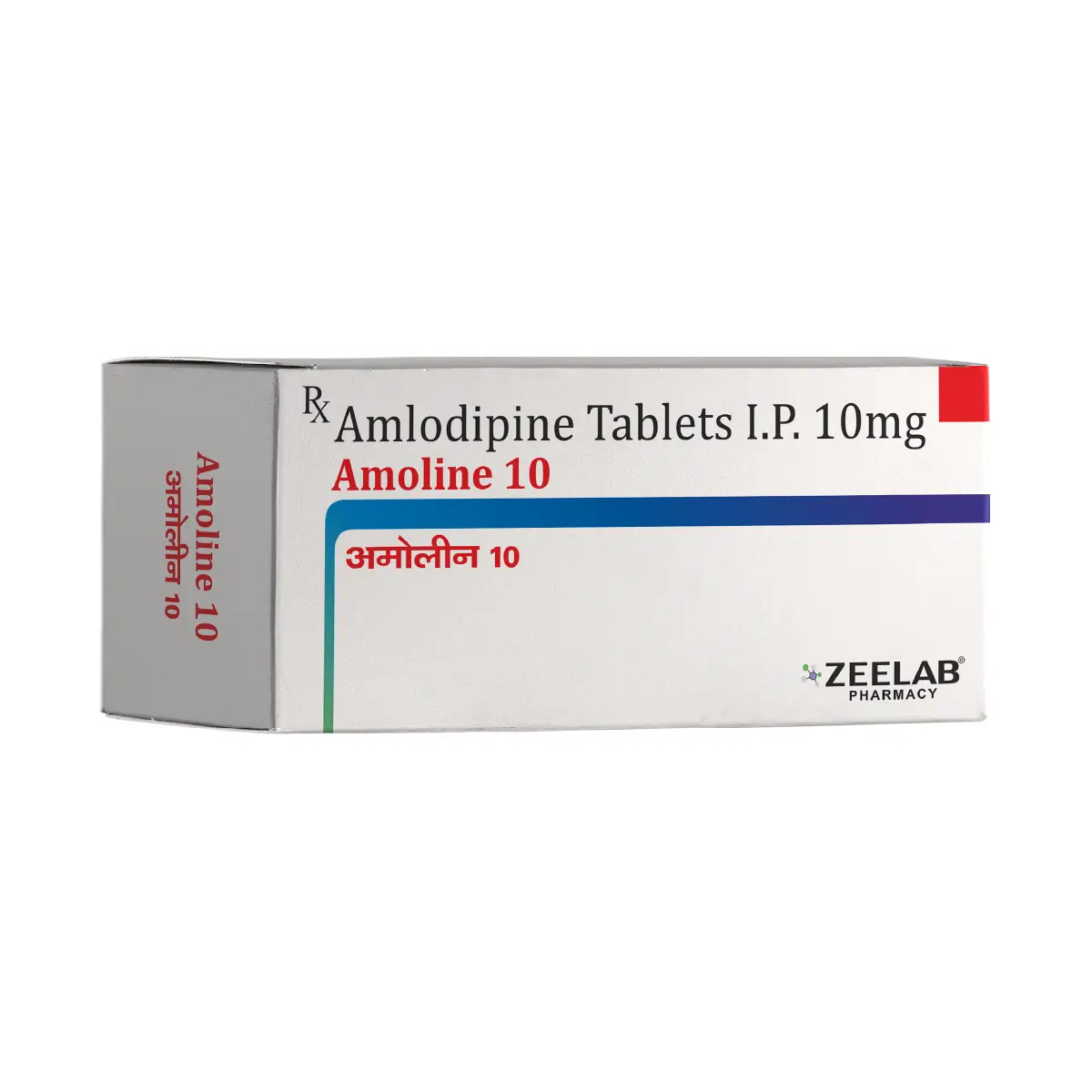
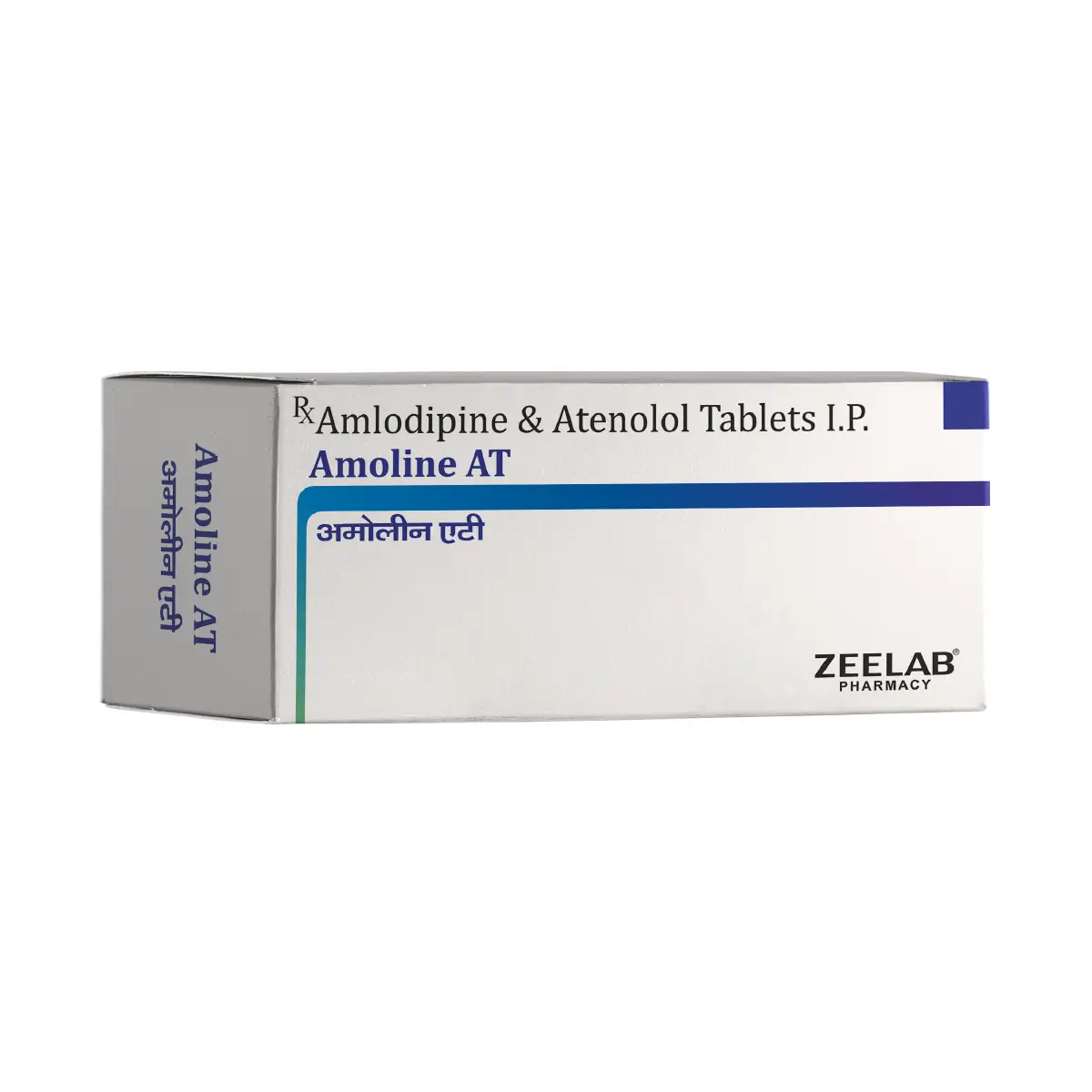
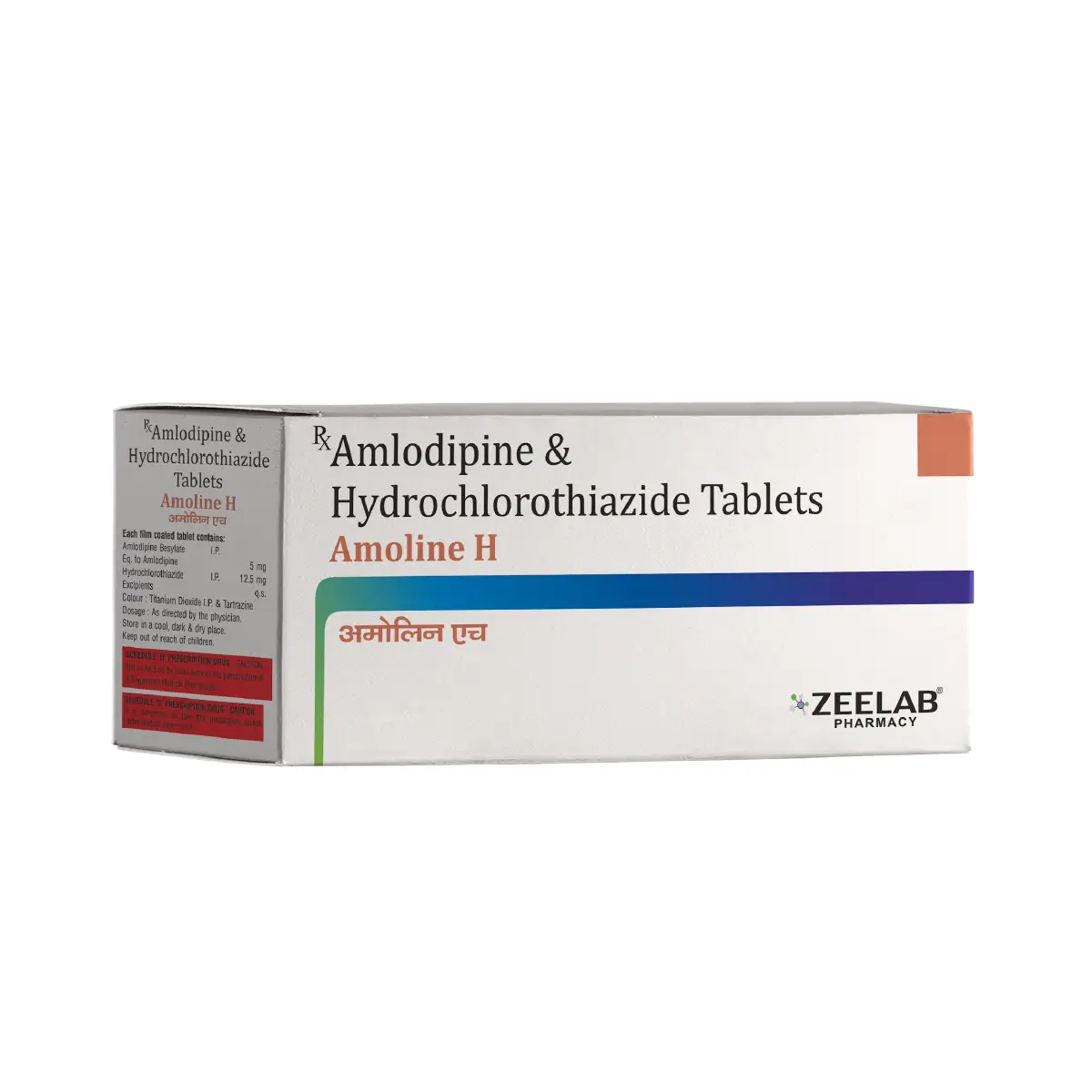
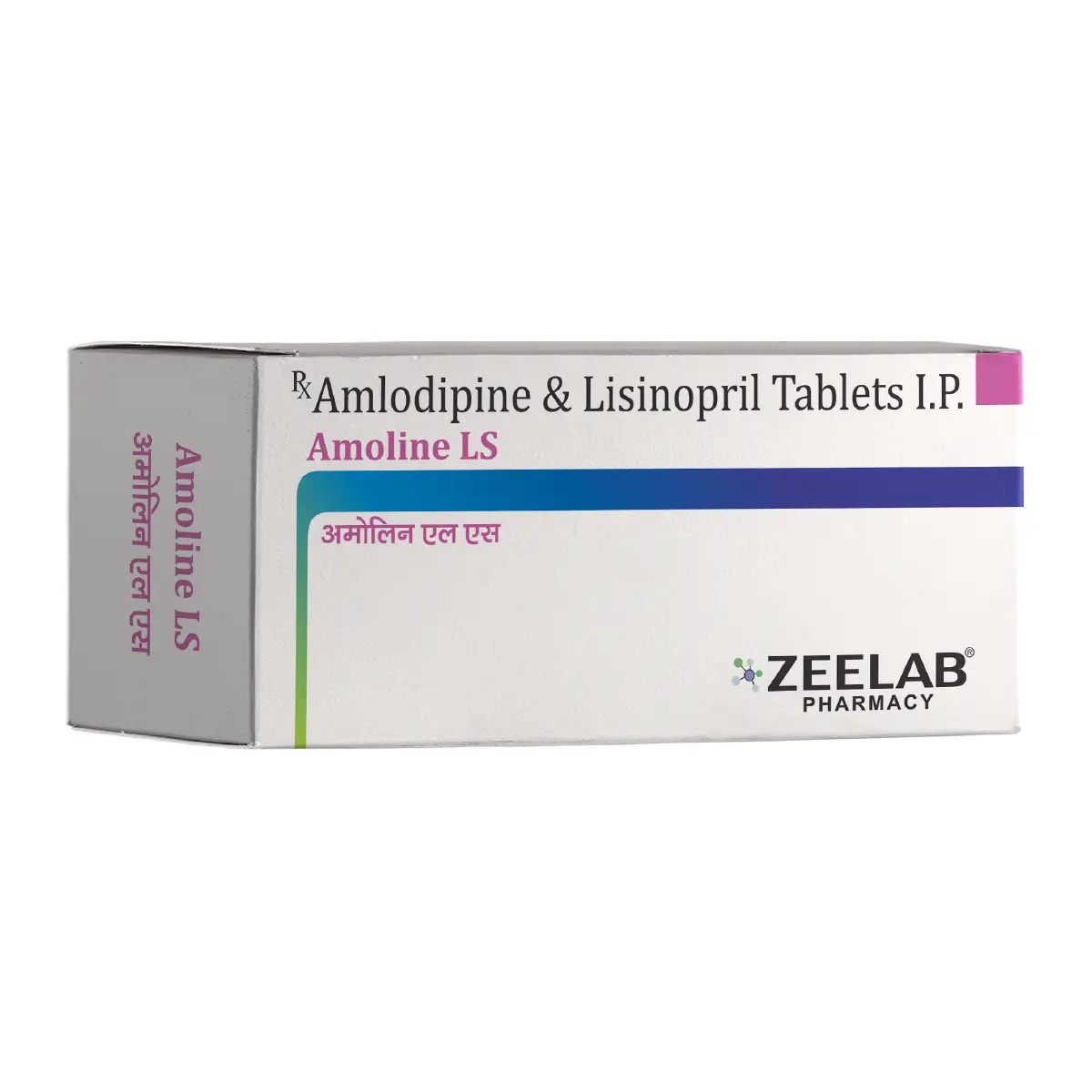
Amlodipine (5mg) + Hydrochlorothiazide (12.5mg)
10 Tablets In 1 Strip
Losartan (50mg) + Amlodipine (5mg)
10 Tablets In 1 Strip
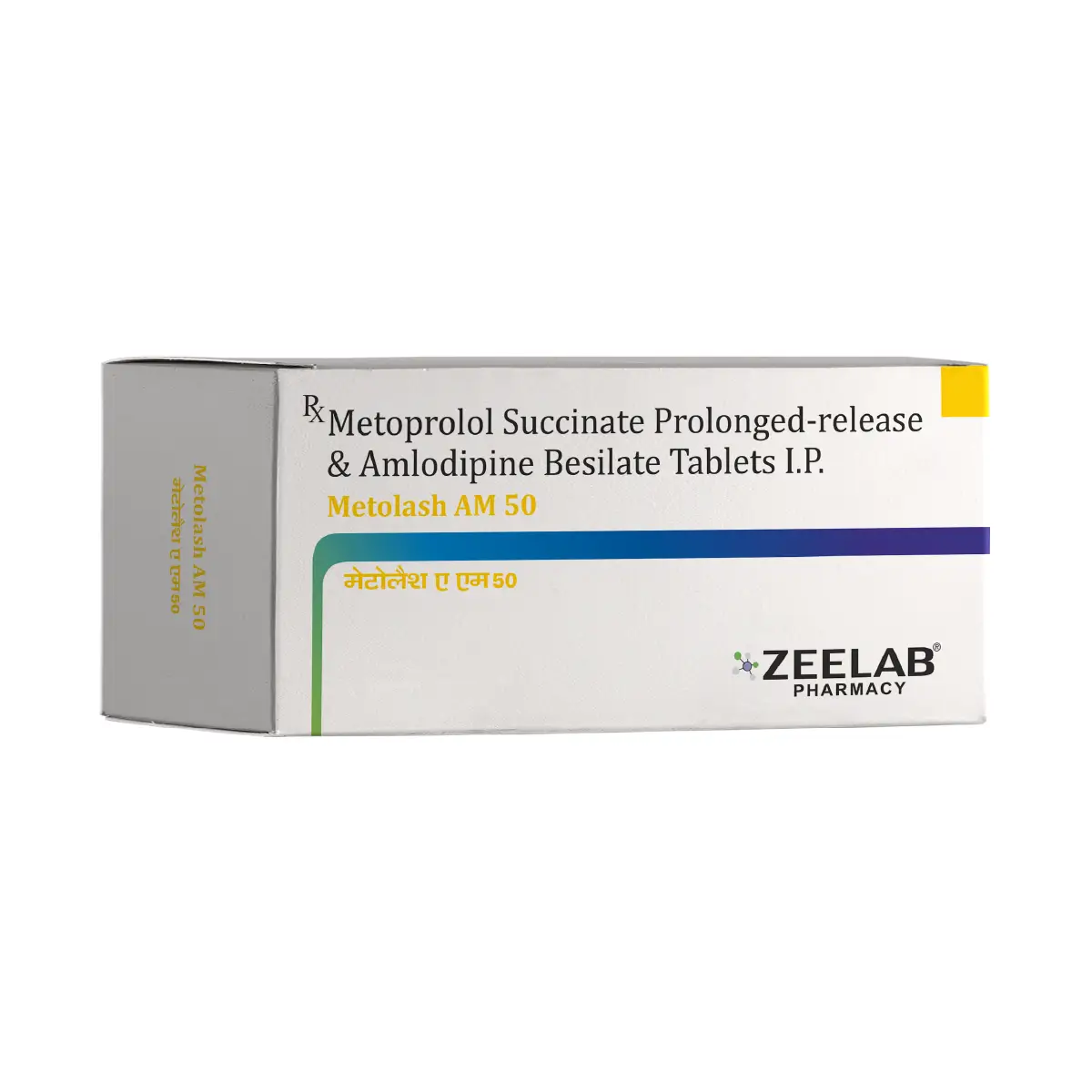
Amlodipine (5mg) + Metoprolol Succinate (47.5mg) (Eq. to Metoprolol Tartrate 50mg)
10 Tablets In 1 Strip
Olmesartan Medoxomil (40mg) + Amlodipine (5mg)
10 Tablets In 1 Strip
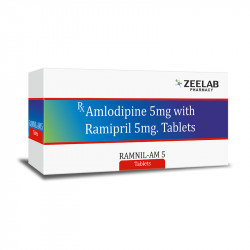
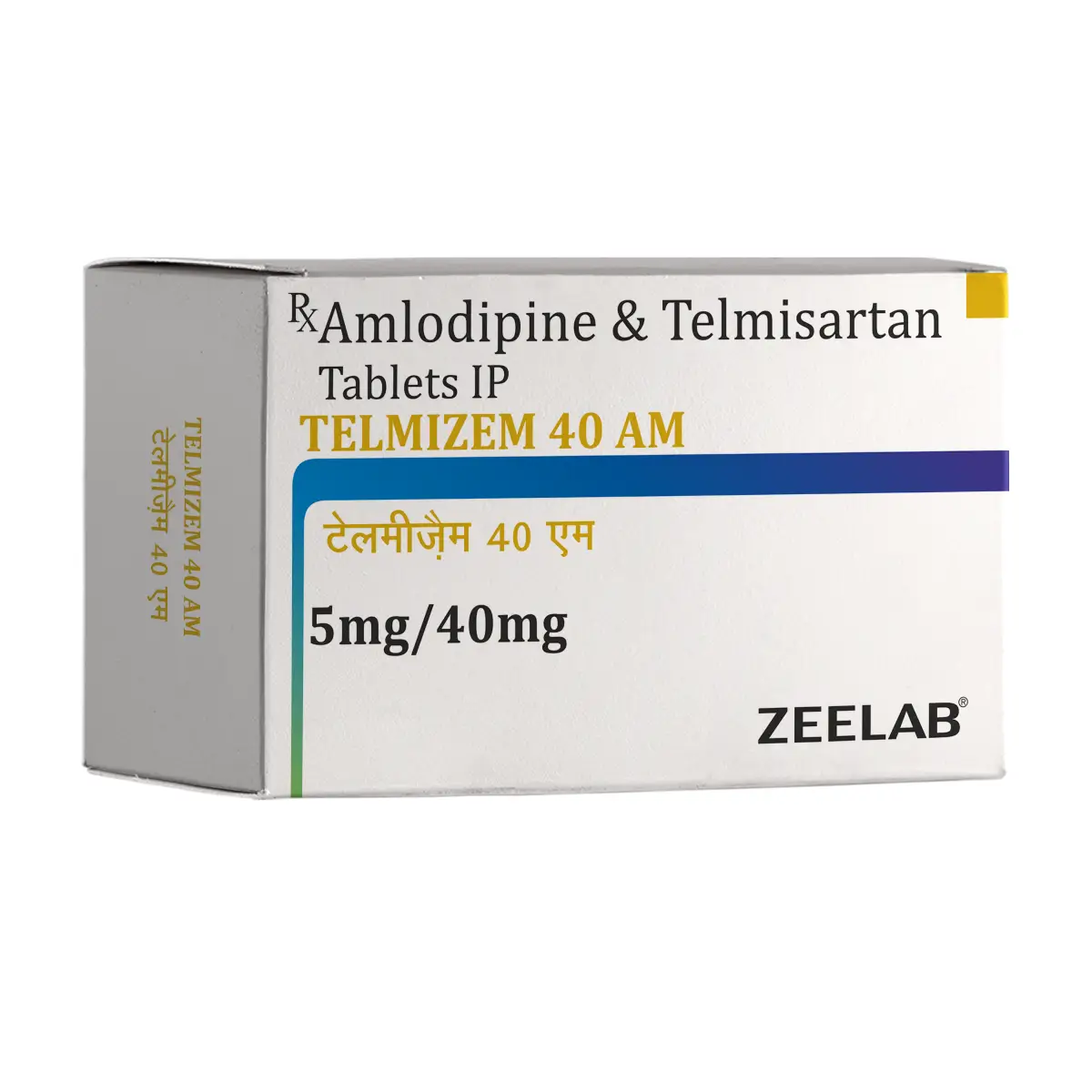
Telmisartan (40mg) + Amlodipine (5mg)
15 Tablets In 1 Strip
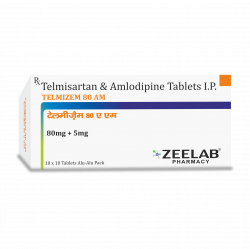
Telmisartan (80mg) + Amlodipine (5mg)
10 Tablets In 1 Strip
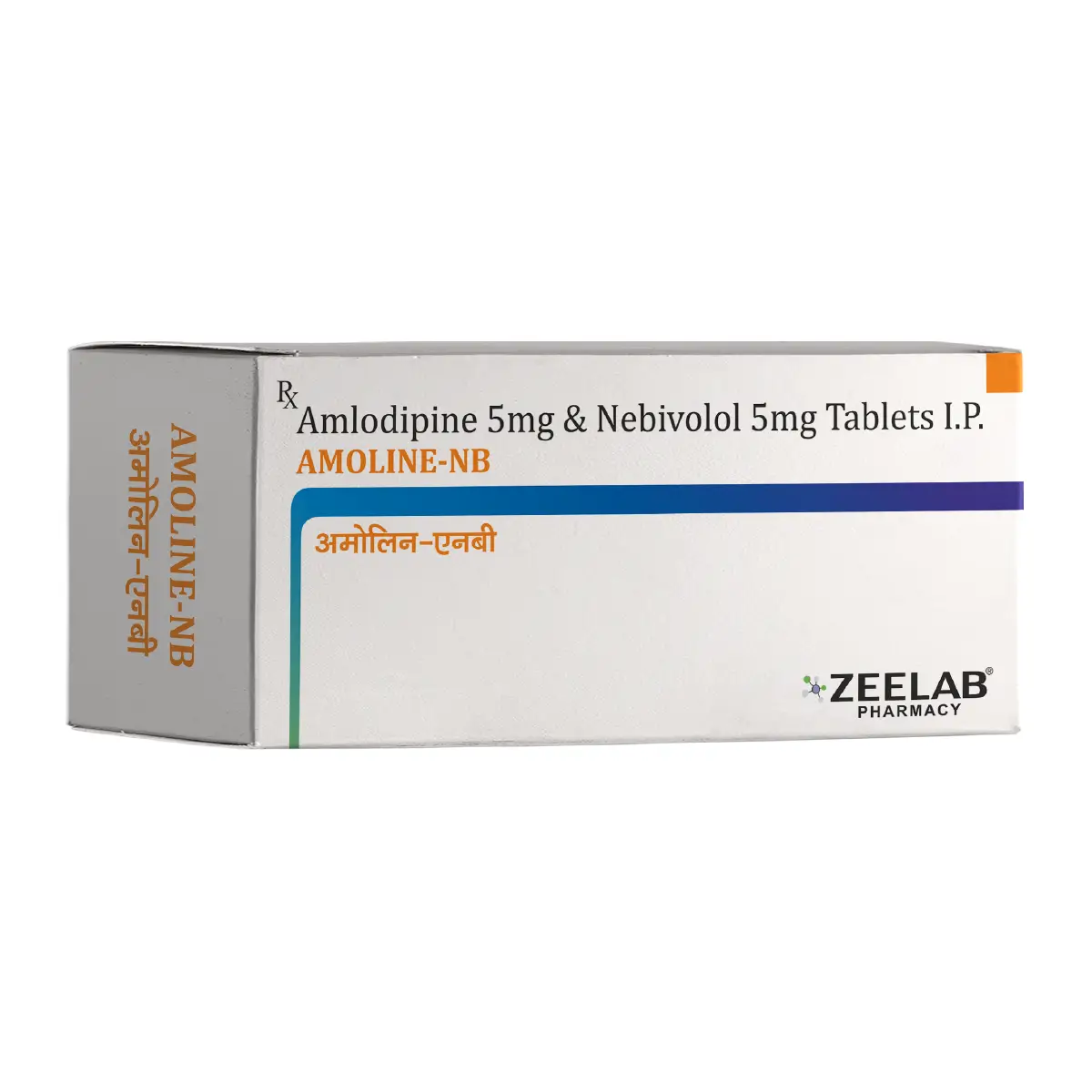
Nebivolol (5mg) + Amlodipine (5mg)
10 tablets in 1 strip
References
Recent Blogs






Disclaimer : Zeelab Pharmacy provides health information for knowledge only. Do not self-medicate. Always consult a qualified doctor before starting, stopping, or changing any medicine or treatment.
Related Products


₹ 0
0
Items added
Quick Links
Categories
Our Policies

Our Socials


Subscribe

2026 Copyright By © Zeelab Pharmacy Private Limited. All Rights Reserved
Our Payment Partners

 Added!