

Best Vitamin B6 Supplements for Mental Health, Mood & Brain Support
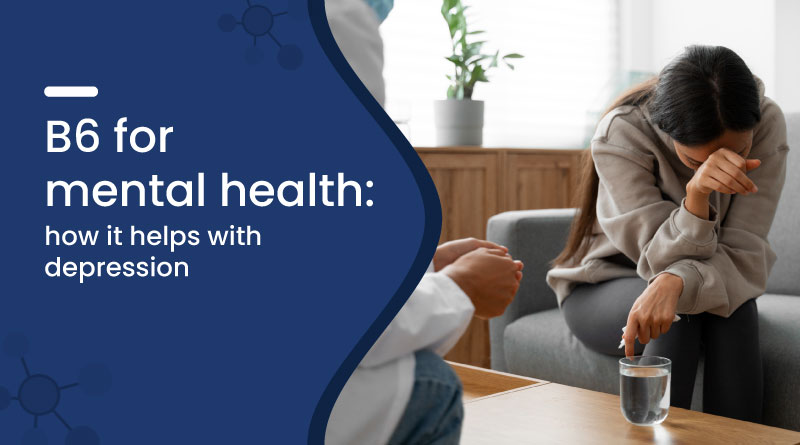
Mental health disorders like anxiety and depression affect millions of people and can impact mood, sleep, energy levels, and functioning. Mental health disorders are commonly associated with imbalances in the levels of certain chemicals in the brain that control emotions, stress, and overall mental health.
Nutrition plays a key role in supporting brain health and emotional balance. Essential nutrients help produce neurotransmitters like serotonin, dopamine, and GABA, which regulate mood and stress. A healthy diet and supplements for anxiety may support better emotional stability.
One important nutrient required by the body is Vitamin B6, or pyridoxine. It plays a key role in the production of mood-regulating neurotransmitters and helps maintain healthy nerve function.
Adequate Vitamin B6 levels support emotional balance, reduce stress response, and may help ease symptoms associated with anxiety and depression.
In this blog, we will discuss the benefits of Vitamin B6 for mental health, the significance of supplements for stress, anxiety & depression, and the best vitamin B6 supplements.
What is Vitamin B6?
Vitamin B6, or pyridoxine, is a water-soluble vitamin that plays a role in the functioning of the brain, nerves, and metabolism. It assists the body in the production of neurotransmitters that control mood, stress, and emotional responses. Taking it regularly is necessary because the body cannot store a lot of it.
|
Form / Function |
Role in the Body |
|
Pyridoxine |
Present in foods and supplements; converted into active forms |
|
Pyridoxal |
Assists in the functioning of enzymes and amino acid metabolism |
|
Pyridoxamine |
Aids in protein metabolism and cell health |
|
Pyridoxal-5-phosphate (PLP) |
An active form that assists in the synthesis of serotonin, dopamine, and GABA |
Role of Vitamin B6 in Brain Function and Emotional Health
Vitamin B6 and brain function are closely interrelated, plays a role in the production of neurotransmitters and the functioning of the nervous system.
It is involved in the regulation of mood, cognitive function, and emotional well-being.
- Supports neurotransmitter production: Aids in the synthesis of serotonin, dopamine, and GABA, which are involved in mood, motivation, and stress response.
- Promotes emotional balance: Aids in the regulation of mood and may alleviate symptoms of anxiety and depression.
- Supports nerve function: Facilitates the proper functioning of nerve cells for optimal brain function.
- Aids cognitive function: Supports memory, concentration, and mental clarity.
- Regulates stress response: Aids the brain in stress regulation through optimal nervous system function.
How Vitamin B6 Helps with Anxiety and Depression?
Do you know that Vitamin B6 deficiency can also be a reason for depression? This is because Vitamin B6 can help in emotional health by helping the brain to produce neurotransmitters that control mood and stress. It can help with anxiety and depression in the following ways:
- Supports serotonin production: Helps in the production of serotonin, a neurotransmitter that controls mood and emotional well-being.
- Regulates stress hormones: Helps balance stress response, which may reduce emotional distress.
- Supports GABA synthesis: Promotes relaxation and can lower feelings of anxiety and irritability.
- Improves nerve function: Supports healthy brain communication, which is essential for emotional regulation.
- Supports overall mental health: Adequate levels may help improve mood and reduce depressive symptoms.
Scientific Evidence on Vitamin B6 and Mental Health
According to research, Vitamin B6 has been found to have a significant role in mental health, as it helps in the production of neurotransmitters in the brain.
Various studies have been conducted to identify its relationship with depression and emotional health.
- Evidence in adults: Various studies have found that a deficiency in Vitamin B6 increases the risk of depression and emotional problems. A balanced level of Vitamin B6 can help in maintaining emotional stability.
- Evidence in the elderly: Seniors with lower levels of Vitamin B6 have shown higher levels of depressive symptoms, which may be due to lower production of neurotransmitters.
- Evidence in women: Various research studies have proven that Vitamin B6 can be used to reduce mood swings, especially in women who face hormonal imbalances.
- Limitations: The studies show association, not direct causation. More research is required to prove its effectiveness as a standalone treatment for depression.
Note: Vitamin B6 supplementation may be most beneficial in individuals with low or borderline levels rather than the general population.
Symptoms of Vitamin B6 Deficiency Affecting Mental Health
Vitamin B6 is one of the vitamins that help with anxiety and depression because it supports healthy brain chemistry and emotional balance.
If the body doesn’t have enough Vitamin B6, it can cause problems with the neurotransmitters, which can lead to several mental and emotional issues.
- Low mood or depression
- Anxiety, irritability, or nervousness
- Trouble concentrating or lack of mental focus
- Mood changes and emotional instability
- Fatigue or lack of energy
- Trouble sleeping or poor sleep quality
- Increased sensitivity to stress
- Lack of motivation or interest in activities
- Confusion or disorientation, especially in older people
Best Natural Food Sources of Vitamin B6
Vitamin B6 is found naturally in many everyday foods and plays an important role in maintaining overall health. Including these foods regularly helps ensure adequate Vitamin B6 for nervous system health and proper brain function.
|
Plant-Based Sources |
Animal-Based Sources |
|
Bananas |
Chicken |
|
Potatoes |
Fish (salmon, tuna) |
|
Spinach |
Eggs |
|
Chickpeas |
Milk |
|
Sunflower seeds |
Turkey |
|
Fortified cereals |
Liver |
|
Avocado |
Beef/Red meat |
|
Brown rice |
Yogurt |
When Should You Take Vitamin B6 Supplements?
Vitamin B6 supplements for anxiety may be advised if there is not enough intake from food or if the body’s needs rise. They can be used to help support brain function, mood, and nervous system health.
Who may benefit from supplementation?
- Those with Vitamin B6 deficiency
- Individuals with anxiety, depression, or high stress, and older adults
- Individuals with anxiety, depression, or high stress
Recommended Dosage of Vitamin B6 for Mental Health
Vitamin B6 should be taken in the appropriate dose and manner to ensure optimal absorption, effectiveness, and safety, while minimising the risk of side effects.
|
Aspect |
Details |
|
Typical dosage range |
Vitamin B6 is usually taken in doses ranging from 1.3 mg to 25 mg per day |
|
Higher-dose use |
Higher doses should only be taken if advised by a doctor |
|
Best time to take |
Can be taken in the morning or during the day |
|
How to take |
Take with meals to improve absorption and reduce stomach upset |
|
Additional benefit |
Supports energy levels and brain function |
Note: Vitamin B6 supplements should not be used as a substitute for professional mental health treatment.
Safety, Side Effects, and Precautions
Vitamin B6 is considered safe when taken in the recommended dietary allowance. However, taking high amounts of Vitamin B6 over a long period of time may lead to some side effects.
|
Possible Side Effects (High Doses) |
Precautions to Consider |
|
Numbness or tingling in the hands and feet |
Avoid taking high doses without consulting a doctor |
|
Nerve irritation or increased sensitivity |
Follow the recommended dosage guidelines |
|
Headache or fatigue |
Consult a doctor if pregnant or breastfeeding. Individuals with existing medical conditions should also seek medical advice. |
|
Mild stomach discomfort |
Inform your doctor if you are taking any medications |
Vitamin B6 vs Vitamin B12 vs Folate for Depression
B-complex vitamins are very important for maintaining brain health and emotional well-being. Vitamin B6, Vitamin B12, and Folate (Vitamin B9) help regulate neurotransmitters and support a healthy nervous system.
Each of these vitamins plays a different role in managing mood, supporting emotional balance, and helping reduce symptoms linked to depression.
|
Vitamin |
Key Role in Mental Health |
How It Helps with Depression |
|
Vitamin B6 (Pyridoxine) |
Aids in the synthesis of serotonin, dopamine, and GABA |
Helps to regulate mood, alleviate anxiety, and stabilise emotions |
|
Vitamin B12 (Cobalamin) |
Aids in maintaining healthy nerve cells and the formation of red blood cells |
Helps to prevent the onset of mood changes, fatigue, and mental decline |
|
Folate (Vitamin B9) |
Aids in the synthesis of neurotransmitters and brain functions |
Helps to regulate mood and may help to prevent the risk of depressive symptoms |
Best Vitamin B6 Supplements for Mental Health Support
Vitamin B6 supplements can help support brain function, improve mood balance, and reduce mental fatigue when dietary intake is insufficient.
Choosing the right supplement with supportive nutrients may enhance emotional stability, energy levels, and overall mental wellness.
|
Product Name |
Key Benefits |
|
Supports nerve health, improves mood, reduces fatigue and mental stress. |
|
|
Contains ginseng extract; helps reduce anxiety, boosts brain function and energy. |
|
|
Daily multivitamin support for mental clarity and energy; fights stress. |
|
|
Rich in antioxidants and vitamins that support brain health and reduce mental fatigue. |
|
|
Contains Omega-3, Ginseng & Gingko Biloba for cognitive function and memory boost. |
|
|
General multivitamin support; helps improve energy, focus, and mood stability. |
|
|
Supports nerve and immune health; contains key nutrients for mood and brain function. |
|
|
May support neurological balance; helpful in mental clarity and fatigue reduction. |
Lifestyle Tips to Support Mental Health Along with the Benefits of B6
Lifestyle habits play a crucial role in managing mental health conditions such as depression and panic attacks.
Along with adequate Vitamin B6 intake, healthy daily practices can support brain function, improve emotional balance, and enhance overall psychological well-being.
- Eat a balanced diet: Eat whole grains, fruits, vegetables, and protein to promote brain health.
- Exercise regularly: Regular exercise can help boost mood and relieve stress naturally.
- Get enough sleep: Ensure 7-9 hours of quality sleep to promote emotional stability.
- Manage stress effectively: Use relaxation techniques like meditation, deep breathing, or yoga.
- Stay socially connected: Talking to friends and family can help alleviate feelings of loneliness.
- Limit alcohol and processed foods: Excess intake can hurt brain function and mood.
- Maintain a daily routine: Regular habits can help promote mental stability and overall well-being.
Conclusion
Vitamin B6, also referred to as pyridoxine, is a nutrient that has immense significance in terms of maintaining mental health and emotional stability. Adequate intake through diet or supplementation can help maintain healthy nerve function and emotional resilience.
Understanding Vitamin B6 or Pyridoxine benefits for good brain health and mental clarity helps an individual make the right decisions to promote their mental health.
When combined with a balanced diet, healthy lifestyle, and proper medical care, Vitamin B6 can be a valuable part of a holistic approach to mental wellness.
Frequently Asked Questions (FAQs)
Ans.Vitamin B6, or pyridoxine, is used to support brain function, neurotransmitter production, and nerve health. It helps regulate mood, improve emotional balance, support energy metabolism, and maintain overall mental and nervous system function.
Ans.Vitamin B6 helps produce neurotransmitters like serotonin, dopamine, and GABA that regulate mood and stress. Adequate levels support emotional balance, reduce anxiety symptoms, and promote overall brain function and mental well-being.
Ans.Common symptoms include depression, irritability, anxiety, fatigue, poor concentration, sleep problems, and mood swings. Severe deficiency may also affect nerve function and emotional stability.
Ans.Mood improvements may be noticed within a few weeks if a deficiency is present. However, results vary depending on individual health, diet, and overall mental health treatment plan.
Ans.Foods rich in Vitamin B6 include bananas, chickpeas, potatoes, chicken, fish, fortified cereals, and spinach. These foods support brain function and emotional health naturally.
Ans.The recommended daily intake for adults is about 1.3–1.7 mg. Healthcare professionals may prescribe higher doses if a deficiency exists or additional mental health support is needed.
Ans.Both Vitamin B6 and B12 support mental health in different ways. Vitamin B6 helps neurotransmitter production, while B12 supports nerve health. Balanced levels of both are important for emotional well-being.
Ans.Vitamin B6 supplements are generally safe when taken in recommended doses. However, excessive long-term use may cause nerve-related side effects. Always follow dosage guidelines and consult a healthcare professional before prolonged supplementation.
Ans.No, Vitamin B6 should not replace prescribed antidepressant medications. It may support brain health and mood, but it is not a substitute for medical treatment. Always consult a healthcare professional before making medication changes.
Ans.People with certain medical conditions, those taking specific medications, or individuals at risk of nerve disorders should avoid unsupervised Vitamin B6 supplementation. Pregnant or breastfeeding women should consult a healthcare professional before use.
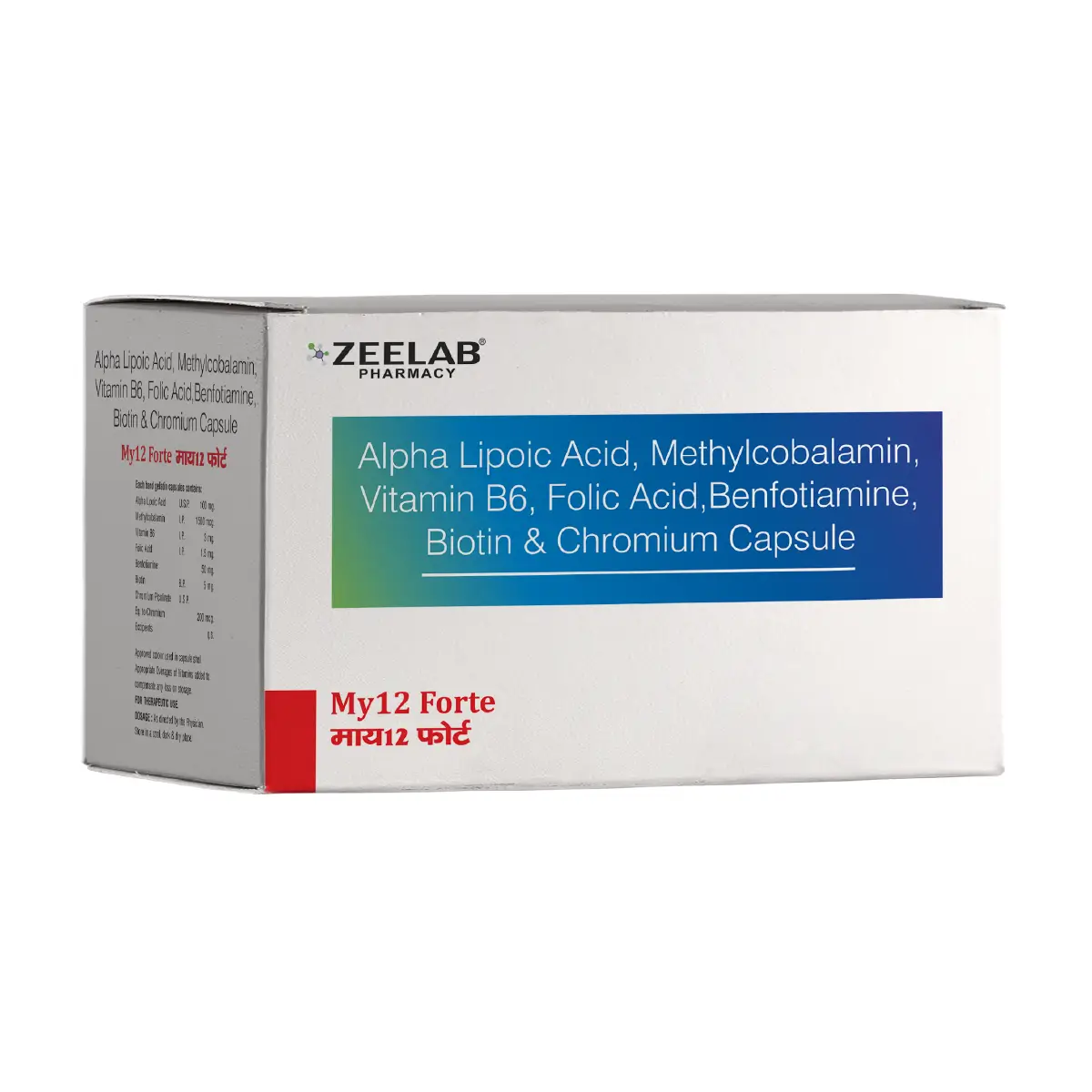
Alpha Lipoic Acid (100mg) + Methylcobalamin (1500mcg) + Vitamin B6 (3mg) + Folic Acid (1.5mg) + Benfotiamine (50mg) + Biotin (5mg) + Chromuim (200mcg)
10 Capsules In 1 Strip

Lycopene (2000 mcg) + Beta Carotene (6 mg) + Vitamin C (50 mg) + Vitamin A (1200 IU) + Vitamin E (1 IU) + Vitamin D3 (50 IU) + Vitamin B1 (0.5 mg) + Vitamin B2 (0.5 mg) + Vitamin B6 (0.5 mg) + Vitamin B12 (0.25 mcg) + Calcium Pantothenate (0.25 mg) + Niacinamide (10 mg) + Calcium (75 mg) + Phosphorous (58 mg) + Folic Acid (25 mcg) + Copper Sulphate Pentahydrate (45 mcg) + Iodine (0.075 mg) + Potassium (2.0 mg) + Magnesium (3.0 mg) + Manganese (0.50 mg) + Sodium Molybdate Dihydrate (0.10 mg)
15 Capsules In 1 Strip
Lysine (50 mg) + Vitamin B1 (1.4 mg) + Vitamin B2 (1.6 mg) + Vitamin B6 (2 mg) + Vitamin B12 (0.001 mg) + Vitamin C (25 mg) + Folic Acid (0.1 mg) + Niacin (18 mg) + Pantothenic Acid (5 mg) + Copper (1.7 mg) + Selenium (0.04 mg) + Zinc (17 mg)
15 Capsules In 1 Strip
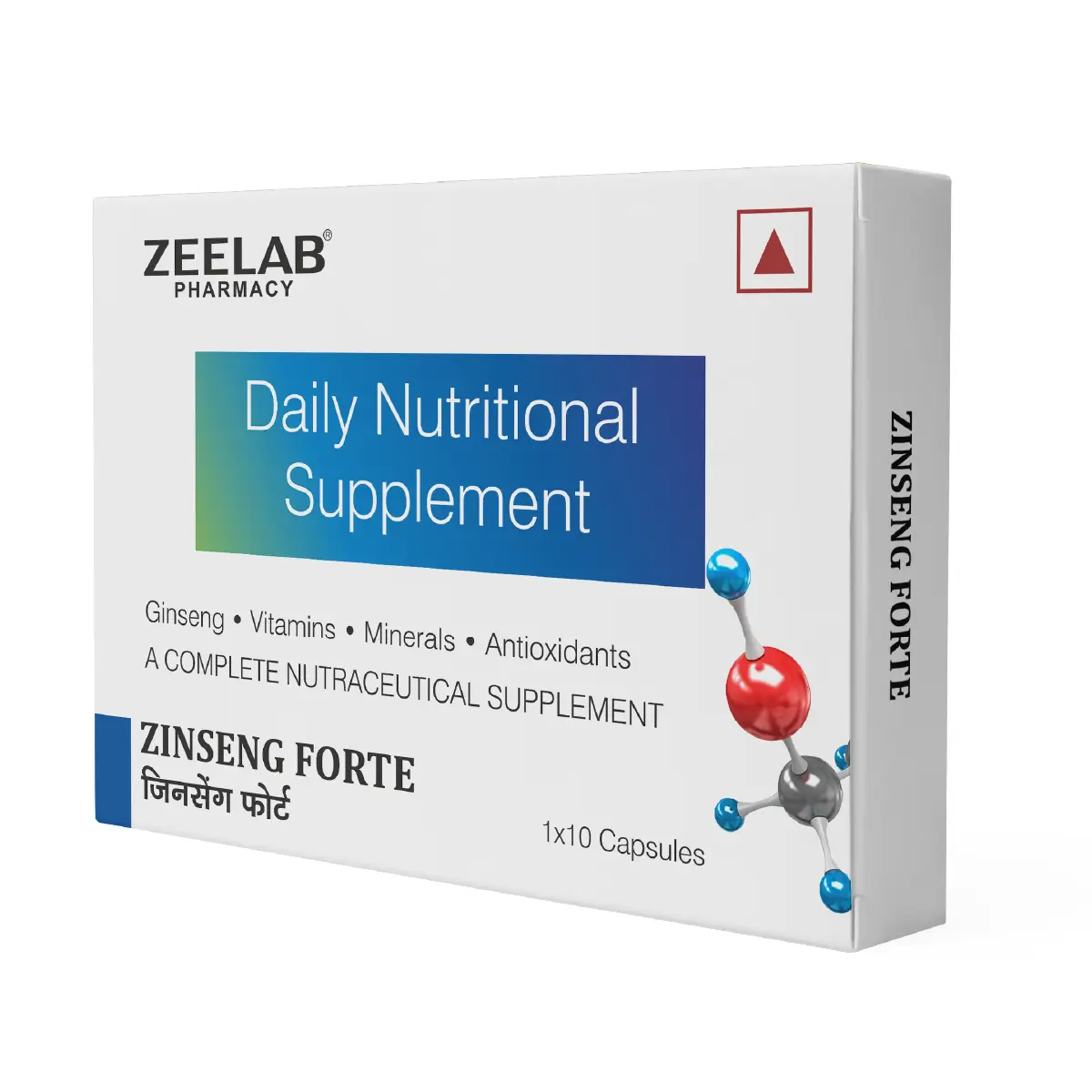
Ginseng Extract Powder (42.5 mg) + Vitamin A (750 mcg) + Vitamin B1 (1 mg) + Vitamin B2 (1.5 mg) + Vitamin B6 (1 mg) + Vitamin B12 (1 mcg) + Vitamin C (50 mg) + Vitamin D3 (5 mcg) + Vitamin E (5 mg) + Folic Acid (150 mcg) + Vitamin B3 (10 mg) + Vitamin B5 (5 mg) + Calcium (75 mg) + Phosphorus (58 mg) + Copper (0.5 mg) + Iodine (0.1 mg) + Ferrous Fumarate (30 mg) + Magnesium (3 mg) + Manganese (0.5 mg) + Potassium (2 mg) + Zinc (10 mg)
10 Capsules In 1 Strip
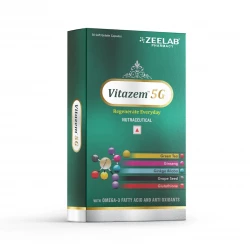
Omega 3 Fatty Acids (EPA 90 mg + DHA 60 mg) + Green Tea Extract (10 mg) + Ginseng (42.50 mg) + Ginkgo Biloba Extract (10 mg) + Grape Seed Extract (15 mg) + Glutathione (10 mg) + Lactic Acid Bacillus (500 Lacs Spores) + Citrus Bioflavonoids (20 mg) + Natural Mixed Carotenoids (11.33 mg, 10%) + Vitamin D3 (200 IU) + Wheat Germ Oil (25 mg) + Vitamin K1 (10 mcg) + Vitamin B6 (1 mg) + Vitamin B12 (1 mcg) + Thiamine (1.4 mg) + Niacinamide (18 mg) + Ascorbic Acid (40 mcg) + Folic Acid (120 mcg + 30 mcg) + Choline Hydrogen Tartrate (25 mg) + Lutein (250 mcg, 10%) + Piperine (5 mg) + Calcium (20 mg) + Phosphorous (15.45 mg) + Iron (10 mg) + Zinc (12 mg) + Iodine (120 mcg) + Magnesium (30 mg) + Manganese (1.5 mg) + Copper (0.5 mg) + Chromium (50 mcg) + Molybdenum (25 mcg) + Selenium (20 mcg) + Potassium (4 mg) + Chloride (3.6 mg)
15 Capsules In 1 Strip
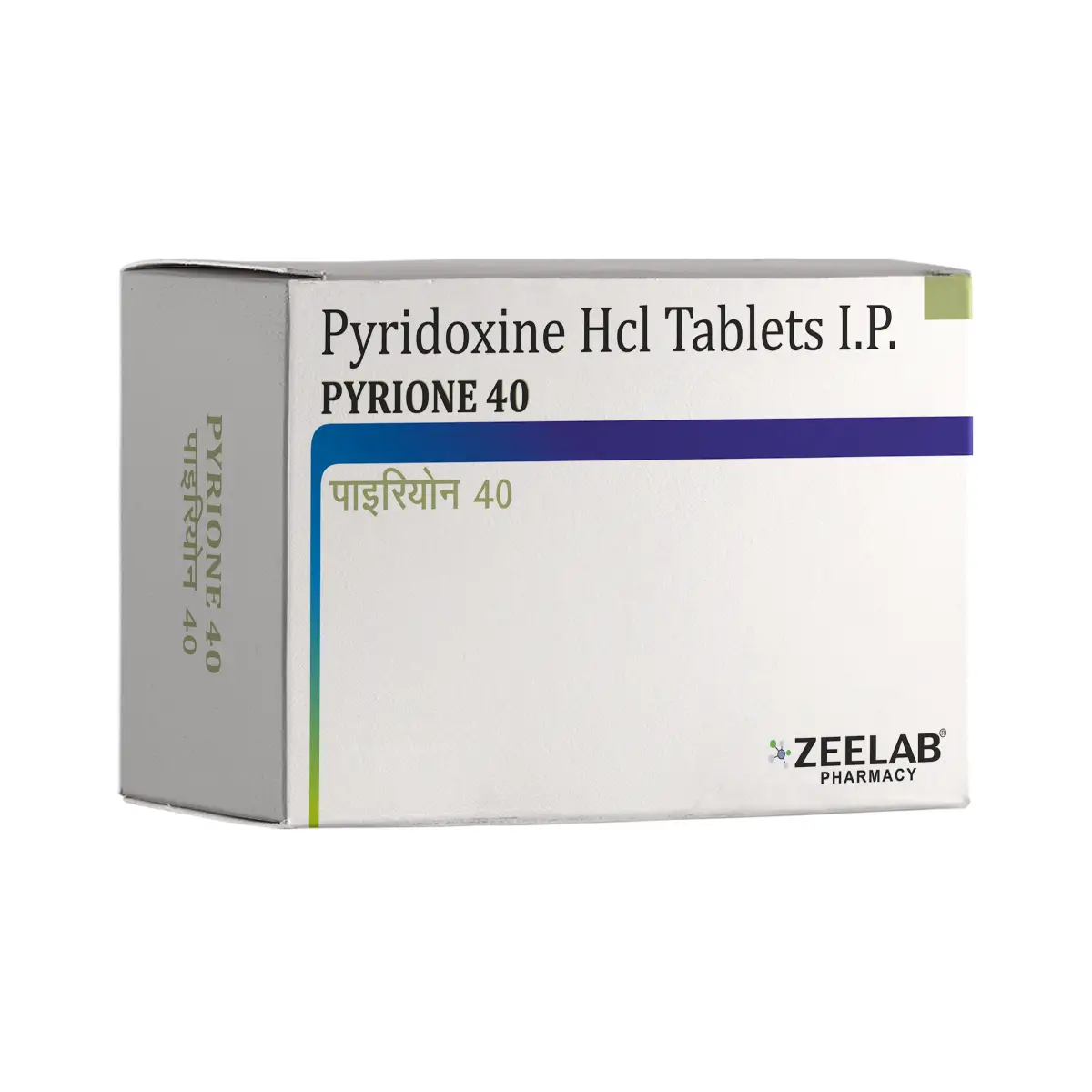
Pyridoxine (40mg)
15 Tablets In 1 Strip
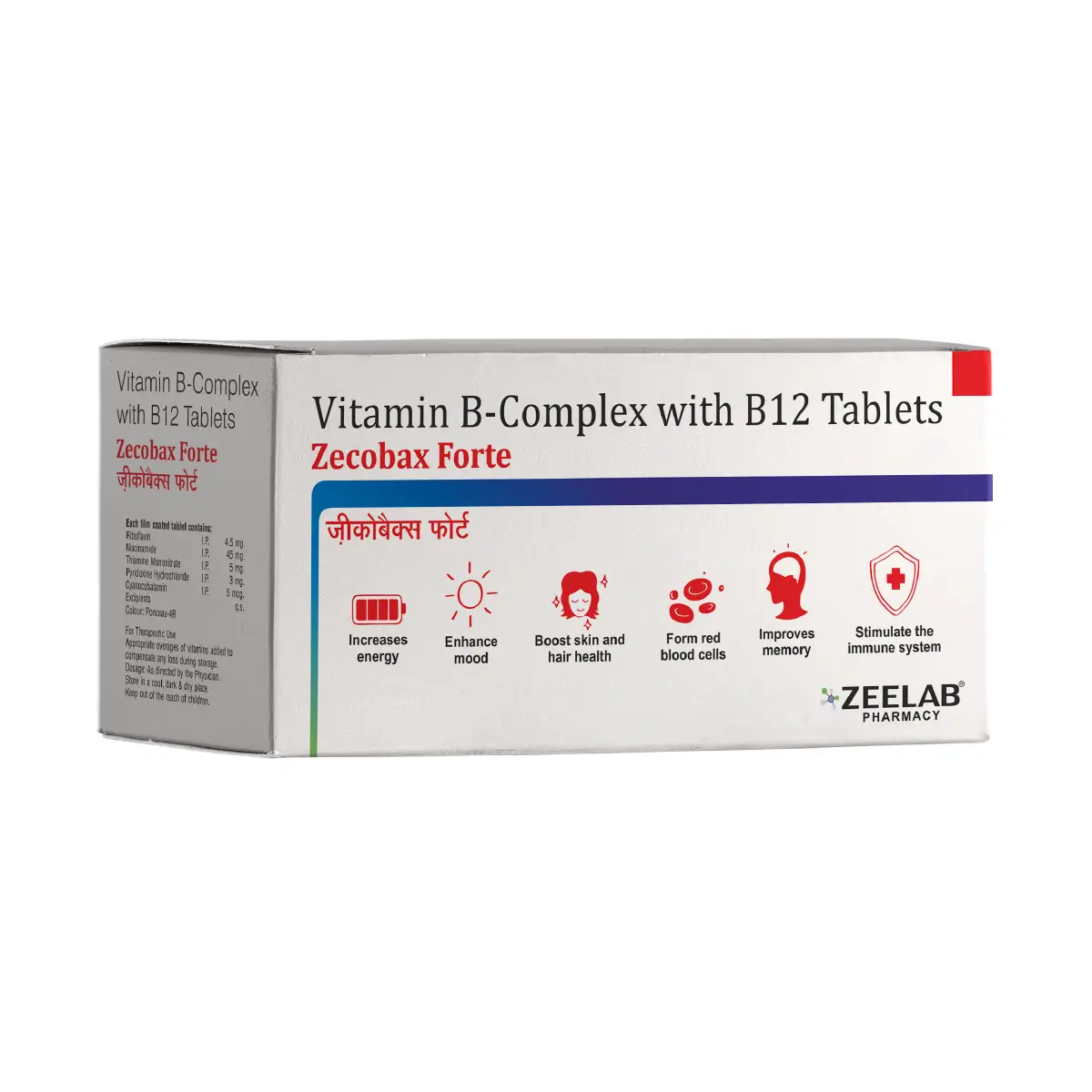
Riboflavin (4.5mg) + Niacinamide (45mg) + Thiamine Mononitrate (5mg) + Pyridoxine Hydrochloride (3mg) + Cyanocobalamin (5mcg)
10 Tablets In 1 Strip

Beta Carotene (10%) (2mg) + Lecithin (10mg) + Lycopene (10%) (500mcg) + L-Lysine (5mg) + L-Arginine (30mg) + L-Glutamic Acid (20mg) + Vitamin A (as Retinyl Acetate) (600mcg) + Vitamin B1 (as Thiamine Mononitrate) (1.2mg) + Vitamin B2 (as Riboflavin) (1mg) + Vitamin B6 (as Pyridoxine Hydrochloride) (2mg) + Vitamin B12 (as Cyanocobalamin) (1mcg) + Vitamin C (as Ascorbic Acid) (40mg) + Vitamin D2 (as Ergocalciferol) (5mcg) + Vitamin E (as dl-alpha Tocopheryl Acetate) (10mg) + Biotin (30mcg) + Folic Acid (120mcg) + Niacin (as Nicotinamide) (18mg) + Pantothenic Acid (as D-Pantothenate, Calcium) (4.5mg) + Calcium (as Dibasic Calcium Phosphate) (50mg) + Chromium (as Chromium Chloride) (10.83mcg) + Copper (as Copper Sulphate) (0.46mg) + Iodine (as Potassium Iodide) (114.67mcg) + Iron (as Ferrous Sulphate) (10mg) + Magnesium (as Magnesium Oxide) (30.16mg) + Manganese (as Manganese Sulphate) (0.73mg) + Molybdenum (as Sodium Molybdate) (11.65mcg) + Potassium (as Potassium Chloride) (2mg) + Selenium (as Sodium Selenate) (20.89mcg)
15 Tablets In 1 Strip
References
Recent Blogs





Disclaimer : Zeelab Pharmacy provides health information for knowledge only. Do not self-medicate. Always consult a qualified doctor before starting, stopping, or changing any medicine or treatment.
Related Products


₹ 0
0
Items added
Quick Links
Categories
Our Policies

Our Socials


Subscribe

2026 Copyright By © Zeelab Pharmacy Private Limited. All Rights Reserved
Our Payment Partners

 Added!