

Best Medicine for Mouth Ulcer in India: Causes, Types & Effective Treatment

Mouth ulcers, also known as canker sores, are small, painful sores that develop inside the mouth. They can appear on the tongue, gums, inner cheeks, or lips and often make eating, drinking, and talking uncomfortable.
While mouth ulcers usually heal on their own in 7–14 days, using the right mouth ulcer medicine can help reduce pain and speed up healing. Over-the-counter gels, ointments, and antiseptic mouthwashes are commonly recommended for relief.
This blog will describe effective treatment for Mouth Ulcers and how adopting money-saving and reliable mouth ulcer medicines available at Zeelab Pharmacy can help in quick recovery.
What are Mouth Ulcers?
Mouth ulcers are small, open sores that develop on the soft tissues inside the mouth. They are not contagious, but they can be quite uncomfortable and may interfere with eating, drinking, or speaking. These ulcers usually appear as round or oval lesions with a white, yellow, or grey centre and a red, inflamed border.
They commonly form on the inner cheeks, lips, tongue, gums, or the floor of the mouth. Unlike cold sores, which occur on the lips. Most oral ulcers are harmless and heal on their own within one to two weeks.
What are the Main Causes of Mouth Ulcers?
Mouth ulcers can be caused by habits, deficiencies or diseases. By knowing the reason behind mouth ulcers, they can be treated properly.
- Injury or Trauma: Accidentally biting the cheek, using hard toothbrushes, or eating sharp-edged foods.
- Nutritional Deficiencies: Lack of vitamin B12, iron, or folic acid can cause ulcers.
- Stress and Anxiety: Emotional stress weakens the immune system, increasing ulcer risk.
- Spicy or Acidic Foods: Can irritate the mouth lining and trigger ulcers.
- Hormonal Changes: Some women experience mouth ulcers during menstrual cycles.
- Allergic Reactions: Sensitivity to certain toothpastes, mouthwashes, or foods.
- Underlying Medical Conditions: Diseases like acid reflux, celiac disease, Crohn’s disease, or autoimmune disorders can cause frequent ulcers.
Types of Mouth Ulcers
Mouth ulcers can vary in size, number, and severity. They are generally classified into three main types based on their appearance and healing pattern.
|
Type of Mouth Ulcer |
Appearance & Size |
Healing Time & Severity |
|
Minor Ulcers |
Small, round or oval sores with a red border and white/yellow centre |
Heal within 7–14 days, usually without scarring; mild to moderate pain |
|
Major Ulcers |
Larger, deeper sores with irregular edges |
May take several weeks to heal, can leave scars; more painful and severe |
|
Herpetiform Ulcers |
Clusters of many tiny pinhead-sized ulcers that may merge into larger ones |
Can be very painful; healing time varies, but may take longer than minor ulcers |
Commonly Used Drugs for Mouth Ulcer Treatment
Several medications are commonly used to relieve pain, reduce inflammation, and promote faster healing of mouth ulcers. These drugs may include topical gels, antiseptic mouthwashes, analgesics, and vitamin supplements, chosen based on the severity and underlying cause of the ulcer.
|
Drug Name |
Type of Medicine |
How they relieve |
|
Lidocaine / Lignocaine |
Local anesthetic |
Numbs the ulcer area to reduce pain and burning sensation |
|
Choline Salicylate |
Pain reliever & anti-inflammatory |
Helps reduce pain, swelling, and irritation |
|
Chlorhexidine |
Antiseptic mouthwash |
Prevents infection and keeps the ulcer area clean |
|
Benzydamine |
Anti-inflammatory pain reliever |
Relieves pain and swelling in the mouth lining |
|
Hyaluronic Acid (oral gel) |
Protective healing agent |
Forms a protective layer and supports natural healing |
|
Vitamin B12 (Cyanocobalamin) |
Vitamin supplement |
Helps treat ulcers caused by a vitamin deficiency |
|
Folic Acid |
Vitamin supplement |
Supports cell repair and healing of the mouth tissues |
|
Iron Supplements |
Mineral supplement |
Useful when ulcers are linked to iron deficiency |
|
Zinc |
Mineral supplement |
Supports immunity and may help ulcers heal faster |
Best Mouth Ulcers Medicine Recommendations from Zeelab Medicines
Zeelab Medicines offer effective and affordable solutions for mouth ulcer pain relief, infection control, and faster healing. These medicines are designed to provide quick comfort while supporting overall oral health.
Coolrap Mouth Ulcer Gel
Coolrap Mouth Ulcer Gel 15 gm is a fast relief mouth ulcer gel that numbs the sore and soothes inflammation for quick comfort.
- Composition: Choline Salicylate (8.7% w/w) + Lignocaine Hydrochloride (2.0% w/w) + Benzalkonium Chloride (0.01% w/w)
- How it works: It works by combining anti-inflammatory and numbing actions from choline salicylate and lidocaine to rapidly reduce pain and inflammation in mouth sores.
Freshzex Mouth Wash
Freshzex Mouth Wash 100 ml keeps your mouth clean and breath fresh while helping control oral bacteria.
- Composition: Chlorhexidine Gluconate (0.2% w/v)
- How it works: It contains chlorhexidine gluconate, an antiseptic that kills harmful bacteria and controls plaque and bad breath.
Zevodine Antiseptic Gargle
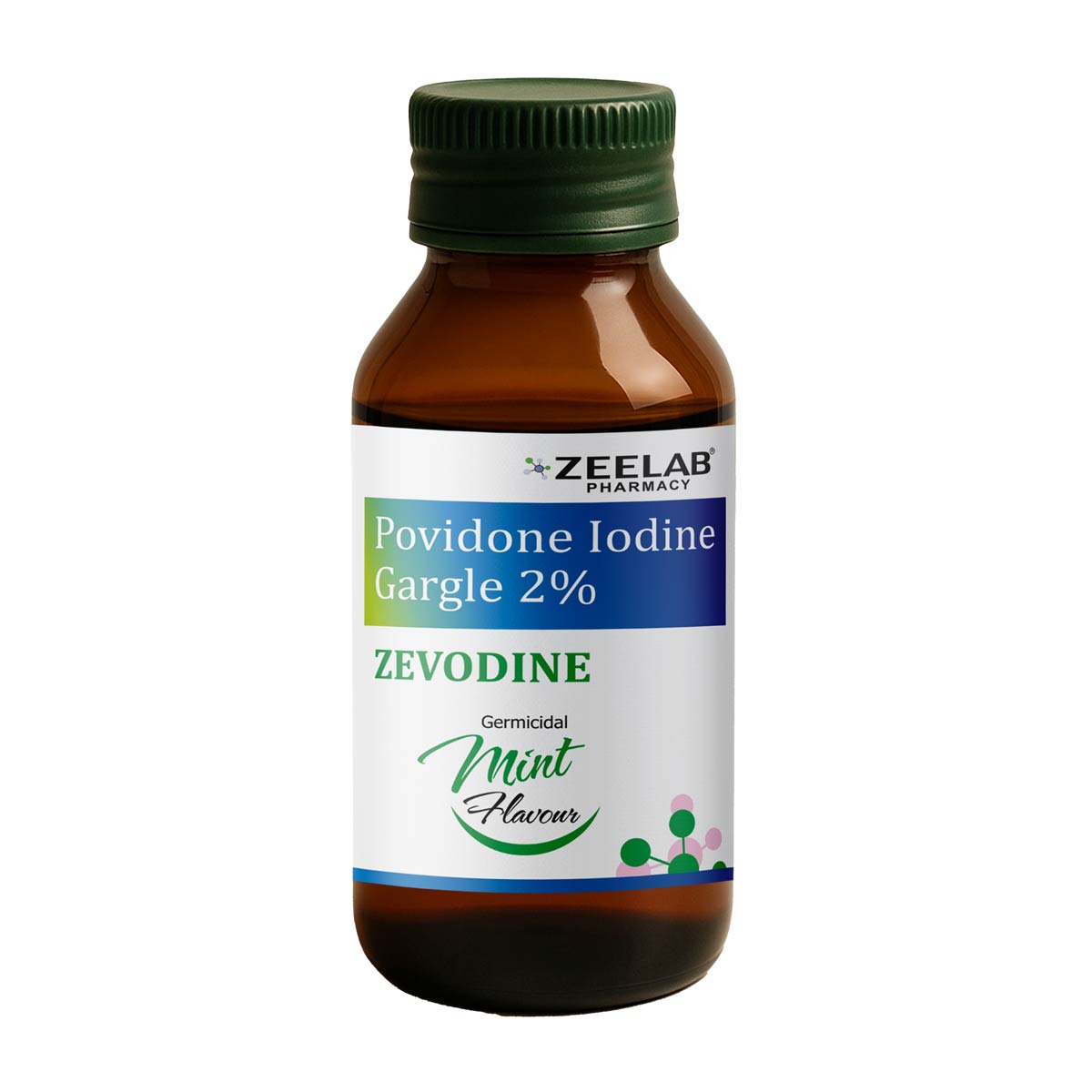
Zevodine Gargle Mint 100 ml is an antiseptic mouthwash that helps cleanse the mouth and throat while targeting bacterial and microbial buildup.
- Composition: Povidone Iodine (2% w/v)
- How it works: Its povidone-iodine antiseptic action kills microbes, helping prevent infection and soothe oral discomfort.
My12 FOL Tablet
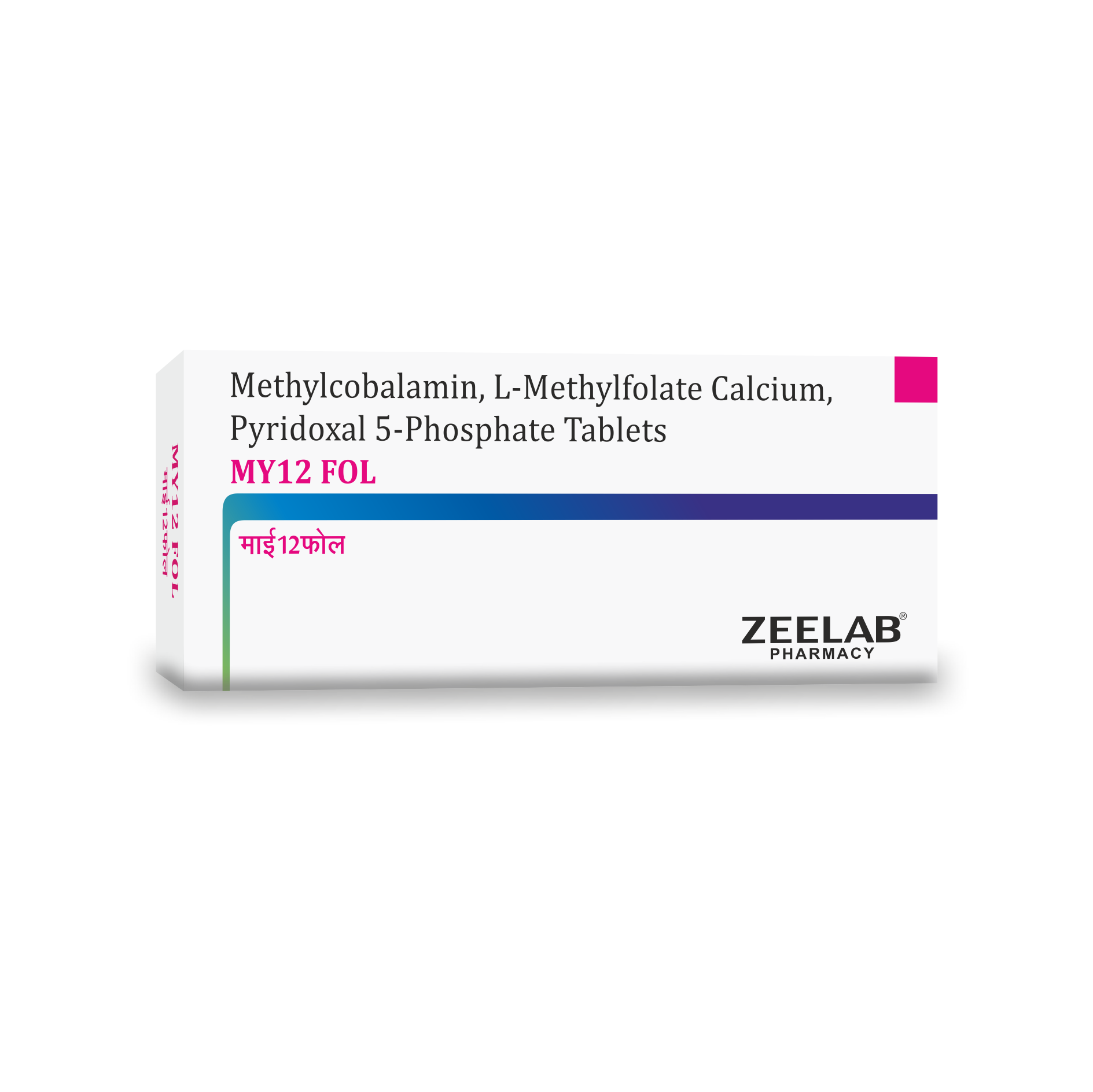
My12 FOL Tablet supports overall nutrition and helps prevent deficiency-related health issues.
- Composition: Methylcobalamin (1500 mcg) + L-Methylfolate Calcium (1 mg) + Pyridoxal 5-Phosphate (5 mg)
- How it works: It supplies methylcobalamin (Vitamin B12), L-methylfolate, and B6 to support red blood cell production and nerve health.
Zeefron Capsule
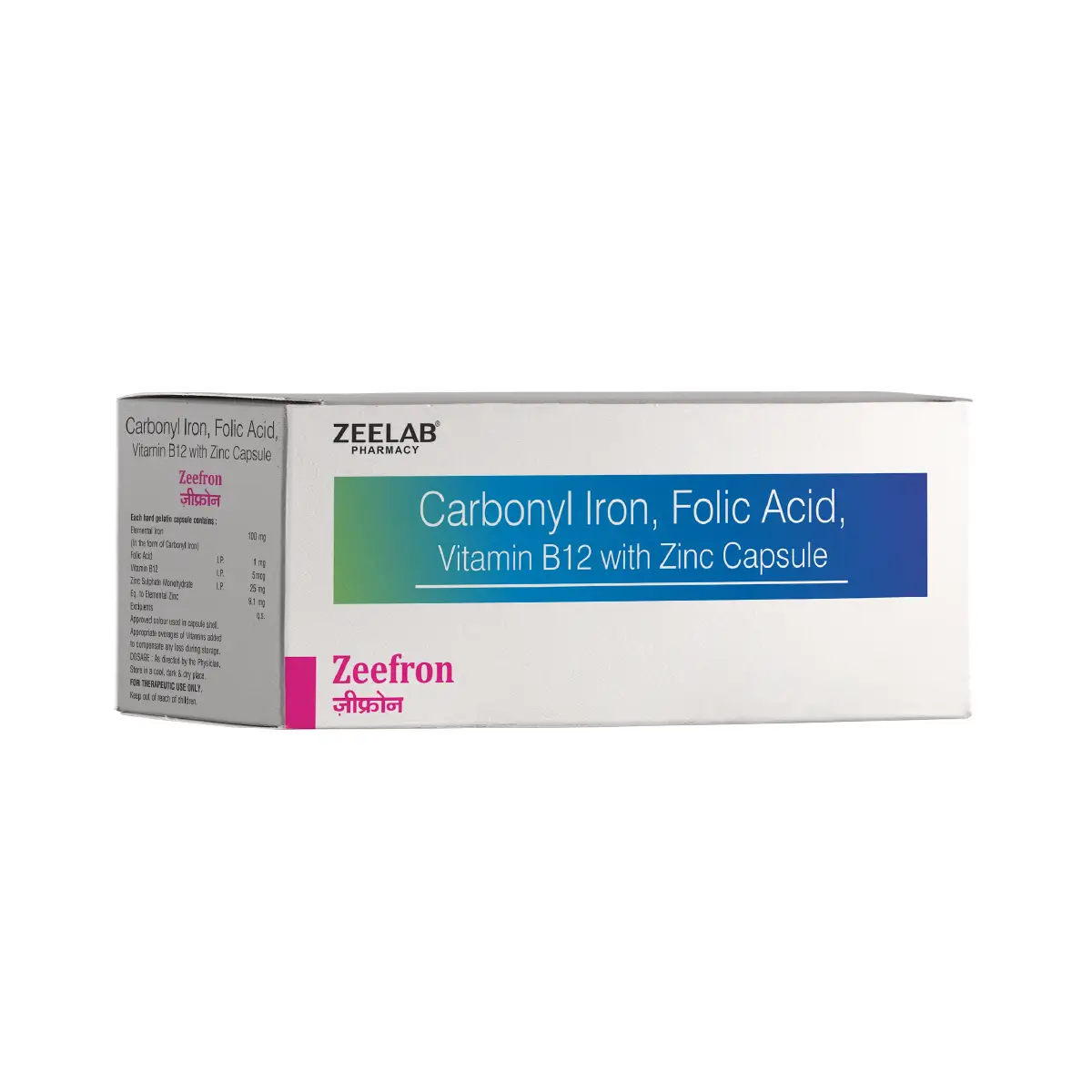
Zeefron Capsule supports healthy blood and energy by addressing iron and nutrient deficiencies.
- Composition: Iron Carbonyl (100mg) + Folic Acid (1mg) + Vitamin B12 (5mcg) + Zinc (25mg)
- How it works: Contains iron, folic acid, vitamin B12, and zinc to boost red blood cell production and immunity.
Vitazem Veg Tablet
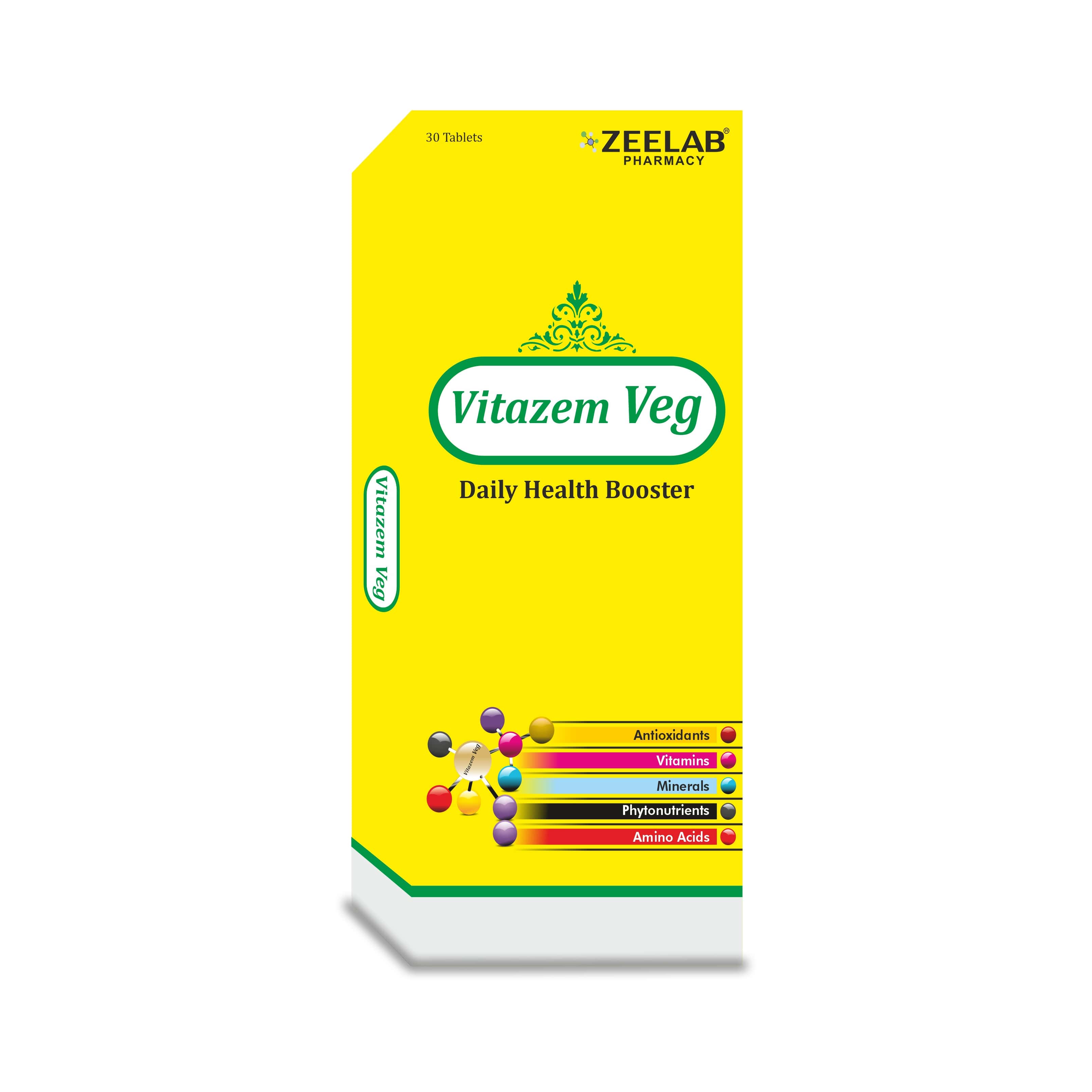
Vitazem Veg Tablet supports overall health with essential vitamins and minerals in a convenient daily supplement.
- Composition: Blend of essential vitamins including Vitamin A, B1, B2, B6, B12, Vitamin C, and Vitamin D
- How it works: Provides key vitamins, including A, B complex, C, and D, to fill nutrient gaps and support body functions.
How Does Mouth Ulcer Medicine Work?
- Mouth ulcer medicines help by reducing pain, swelling, and redness in the affected area.
- They work to repair the damaged skin or tissue inside your mouth.
- Many medicines contain vitamins like B12, B6, or folic acid, which support healing.
- Some medicines contain anti-inflammatory or antibacterial agents to fight infection and speed up recovery.
- If the ulcer is due to stress or low immunity, the medicine may help boost the immune system.
- Pain-relief ingredients help you eat, drink, and talk more comfortably while healing.
- Overall, they make the ulcer smaller and less painful day by day.
Also Read: Best Foods for Mouth Ulcers
Benefits of Mouth Ulcer Medicines
- Relieves pain and burning quickly.
- Heals the ulcer faster by supporting cell repair.
- Reduces swelling and discomfort inside the mouth.
- Helps in eating and speaking without pain.
- Supports overall oral health and prevents infections.
- Improves vitamin levels in the body, especially if ulcers are caused by a deficiency.
- Prevents recurring ulcers if taken as advised by a doctor.
- Safe for daily use when taken as per dosage instructions.
What to Eat and What to Avoid During Mouth Ulcers
Selecting the right foods during this time can help alleviate pain and promote faster healing. Soft and cooling foods can be beneficial, while spicy and hard foods can have the opposite effect.
|
Eat This (Helps Healing) |
Avoid This (May Worsen Ulcers) |
|
Soft foods like curd and mashed vegetables |
Spicy and chilli-rich foods |
|
Cold milk or smoothies |
Hot beverages and soups |
|
Bananas and papaya |
Citrus fruits like oranges |
|
Plain rice and oats |
Crunchy or fried snacks |
|
Plenty of water |
Alcohol and fizzy drinks |
Do Mouth Ulcers Spread to Others?
Mouth ulcers are not contagious and do not spread from one person to another through touching, sharing food, or kissing.
These sores develop inside the mouth due to factors such as minor injuries, stress, hormonal changes, or nutritional deficiencies, including a lack of essential vitamins for tongue health, rather than infections that can be passed from person to person.
It is important to distinguish mouth ulcers from cold sores (fever blisters), which are caused by the herpes simplex virus and are contagious. Cold sores usually appear on the lips or around the mouth, while mouth ulcers occur inside the mouth on soft tissues like the cheeks, tongue, or gums.
However, maintaining good oral hygiene is still important to prevent irritation and secondary infection while the ulcer heals.
Also Read: Best Medicine For Sore Throat In India
When Should You See a Doctor for Mouth Ulcers?
Most mouth ulcers heal on their own, but certain signs may indicate the need for medical evaluation. Seek professional advice if you notice any of the following:
- An ulcer does not heal within two weeks
- Ulcer is unusually large or deep
- Pain is severe and affects eating or drinking
- Mouth ulcers keep coming back frequently
- Fever or general illness occurs with the ulcer
- Difficulty in swallowing or speaking
- Ulcers spread to the lips or outside the mouth
- Swollen lymph nodes in the neck
Supportive Care Tips Along with Mouth Ulcer Medicines
Along with prescribed or over-the-counter medicines, certain daily habits and care measures can help reduce discomfort and promote faster healing of sores in the mouth:
- Maintain oral hygiene: Brush gently with a soft toothbrush to prevent irritation
- Rinse regularly: Use plain or salt water to keep the mouth clean
- Eat soft foods: Choose bland, easy-to-chew meals to reduce pain
- Avoid trigger foods: Skip spicy, acidic, salty, and very hot items
- Stay hydrated: Drink enough water to support healing
- Reduce stress: Proper rest can aid recovery
- Do not touch the ulcer: Avoid picking to prevent infection
- Fix nutrient gaps: Ensure enough vitamins and minerals in your diet
Also Read: Home Remedies for Mouth Ulcers
Conclusion
Mouth ulcers can be small in size, but the pain associated with them can cause disturbances in daily activities. Choosing the right medicine for a mouth ulcer, along with good oral care, can provide faster healing and effective mouth ulcer pain relief.
From soothing gels and antiseptic rinses to nutritional support, proper stomatitis treatment depends on the cause and severity of the sore.
Mouth ulcers can be small in size, but the pain associated with them can cause disturbances in daily activities. Timely care, a balanced diet, and the right treatment approach can help you recover comfortably and prevent future episodes.
Frequently Asked Questions (FAQs)
Ans.The best medicine for mouth ulcer pain relief usually includes numbing gels with lidocaine or anti-inflammatory agents like choline salicylate. These reduce pain, soothe irritation, and make eating and speaking more comfortable during healing.
Ans.Mouth ulcers can occur again and again, often related to stress, vitamin deficiencies, or digestive issues. Causes of recurrent mouth ulcers may also include stomatitis, immune problems, or irritation from dental products.
Ans.Yes, many medicines for mouth ulcers, like oral gels, protective pastes, and antiseptic mouthwashes, are available over the counter. These help relieve pain, protect the sore, and maintain oral hygiene without needing a doctor’s prescription.
Ans.The mouth ulcer recovery time is usually 7 to 14 days. Minor sores in the mouth heal faster, while a severe mouth ulcer may take longer and sometimes needs prescription stomatitis treatment.
Ans.Common mouth ulcer types include minor, major, and herpetiform ulcers. They differ in size, number, and healing time, and may appear as oral lesions on the cheeks, tongue, gums, or lips.
Ans.Stomatitis is inflammation of the mouth lining that can cause sores in the mouth and pain. Stomatitis treatment includes mouth ulcer medicine, antiseptic mouthwash, and sometimes vitamin supplements to reduce irritation and promote healing.
Ans.Gum ulcer treatment includes using a protective mouth wound gel and an antiseptic rinse. These reduce pain, keep the area clean, and support treatment for mouth ulcers affecting sensitive gum tissues.
Ans.Mouth ulcers are usually non-contagious sores in the mouth, while mouth infections involve bacteria, viruses, or fungi. Oral infection treatment may require specific medicines, unlike simple mouth ulcer medicine used for minor ulcers.
Ans.Yes, deficiencies in vitamins like B12 and minerals like zinc and iron are common causes of mouth ulcers. Supplements such as Zecobax CZS Tablet and My12 D3 Tablet can help correct these deficiencies and promote faster healing of mouth sores.
Ans.You should see a doctor if a mouth ulcer is not healing, lasts longer than two weeks, becomes unusually large or painful, keeps returning frequently, or is accompanied by fever, difficulty swallowing, or swollen lymph nodes.
Ans.Yes, stress and anxiety are common triggers for mouth ulcers. Stress can weaken the immune system and make the mouth lining more sensitive, increasing the risk of developing ulcers.
Ans.Using a pain-relief mouth ulcer gel, keeping the mouth clean with an antiseptic rinse, avoiding irritating foods, and ensuring adequate intake of vitamins like B12 and folic acid can help ulcers heal faster.
Ans.During mouth ulcers, it is best to avoid spicy, acidic, salty, and crunchy foods such as chillies, citrus fruits, fried snacks, and fizzy drinks, as they can irritate the ulcer and delay healing.
Ans.Yes, digestive issues such as acidity, acid reflux, or poor nutrient absorption can contribute to frequent mouth ulcers. Treating underlying stomach problems may help reduce recurrence.
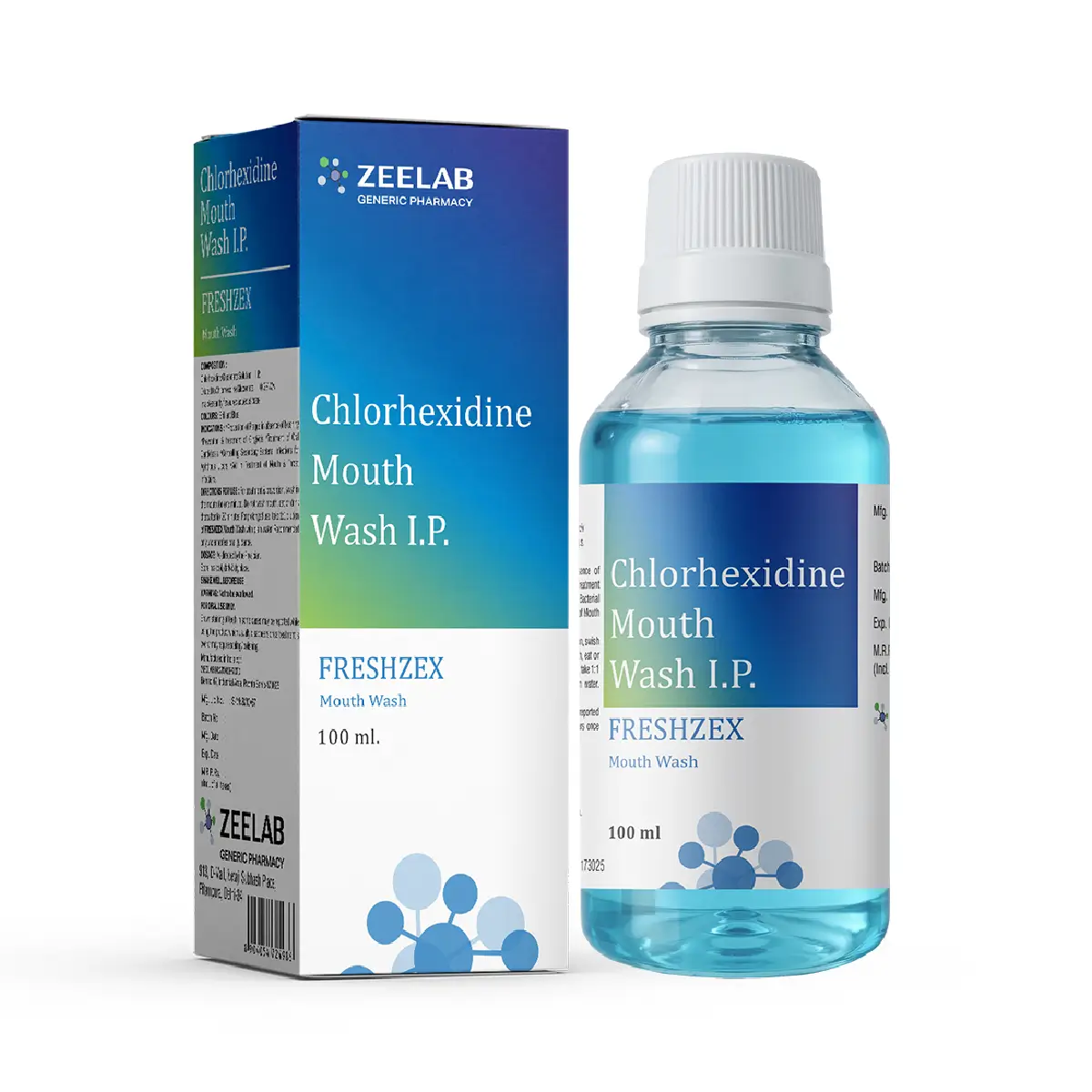
Chlorhexidine Gluconate (0.2% w/v)
100ml In 1 Bottle
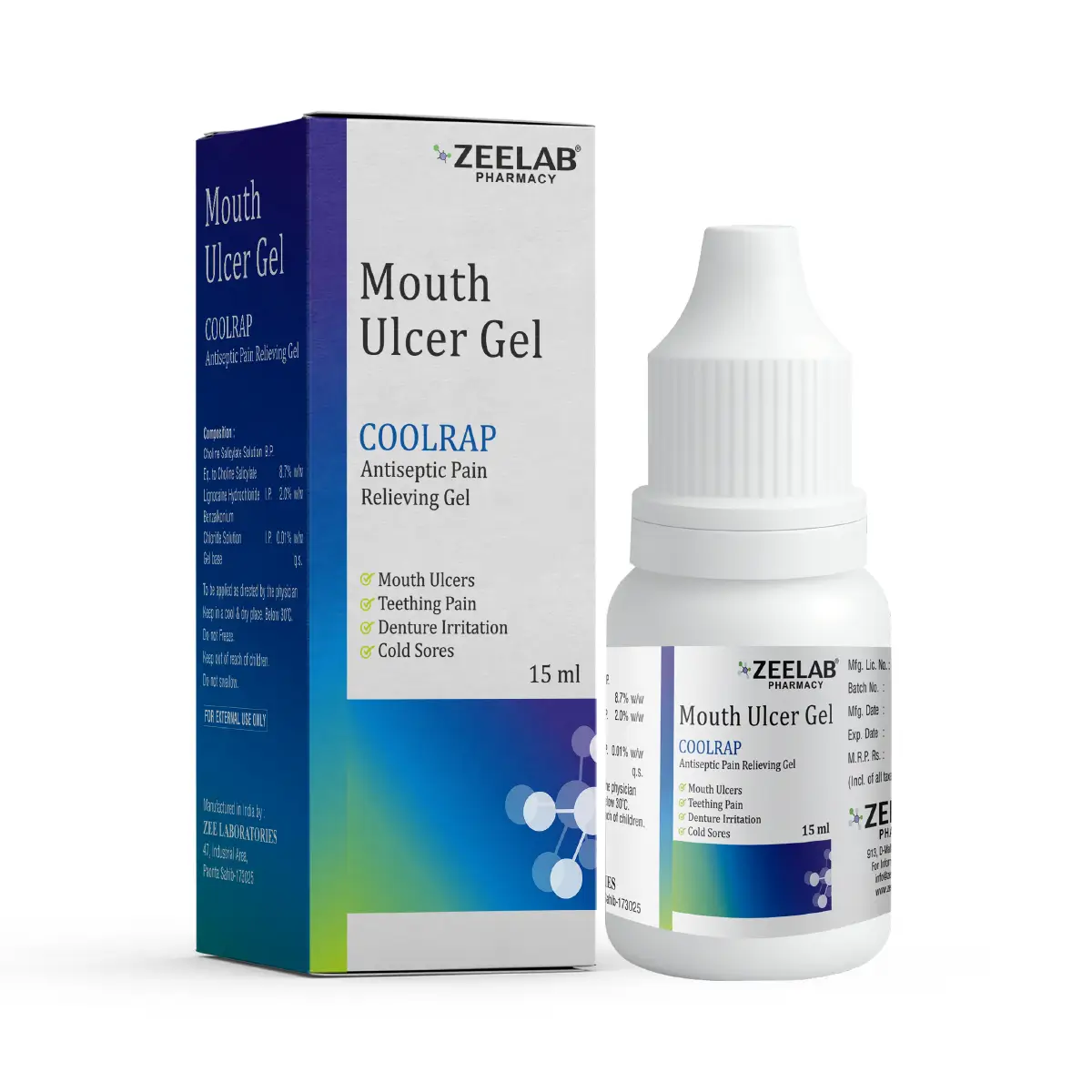
Choline Salicylate (8.7% w/w) + Lignocaine Hydrochloride (2.0% w/w) + Benzalkonium Chloride (0.01% w/w)
15ml In 1 Bottle
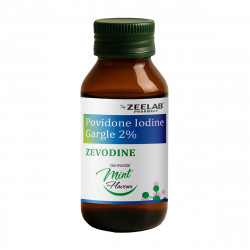
Povidone Iodine (2% w/v)
100ml In 1 Bottle
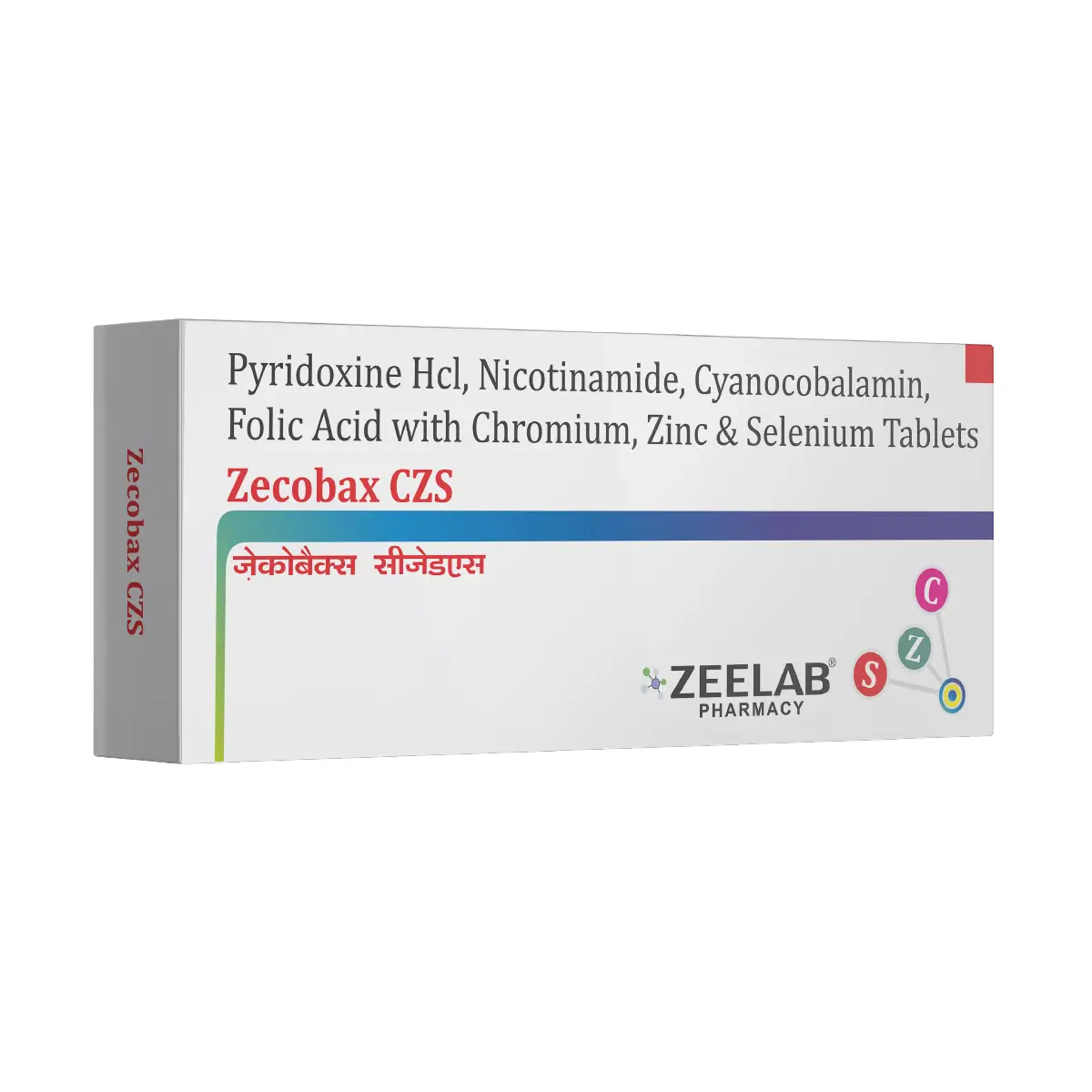
Pyridoxine Hydrochloride (3mg) + Nicotinamide (100mg) + Cyanocobalamin (15mcg) + Folic Acid (1500mcg) + Chromium Picolinate (250mcg) + Selenious Acid (100mcg) + Zinc Sulphate Monohydrate (61.8mg)
14 Tablets In 1 Strip
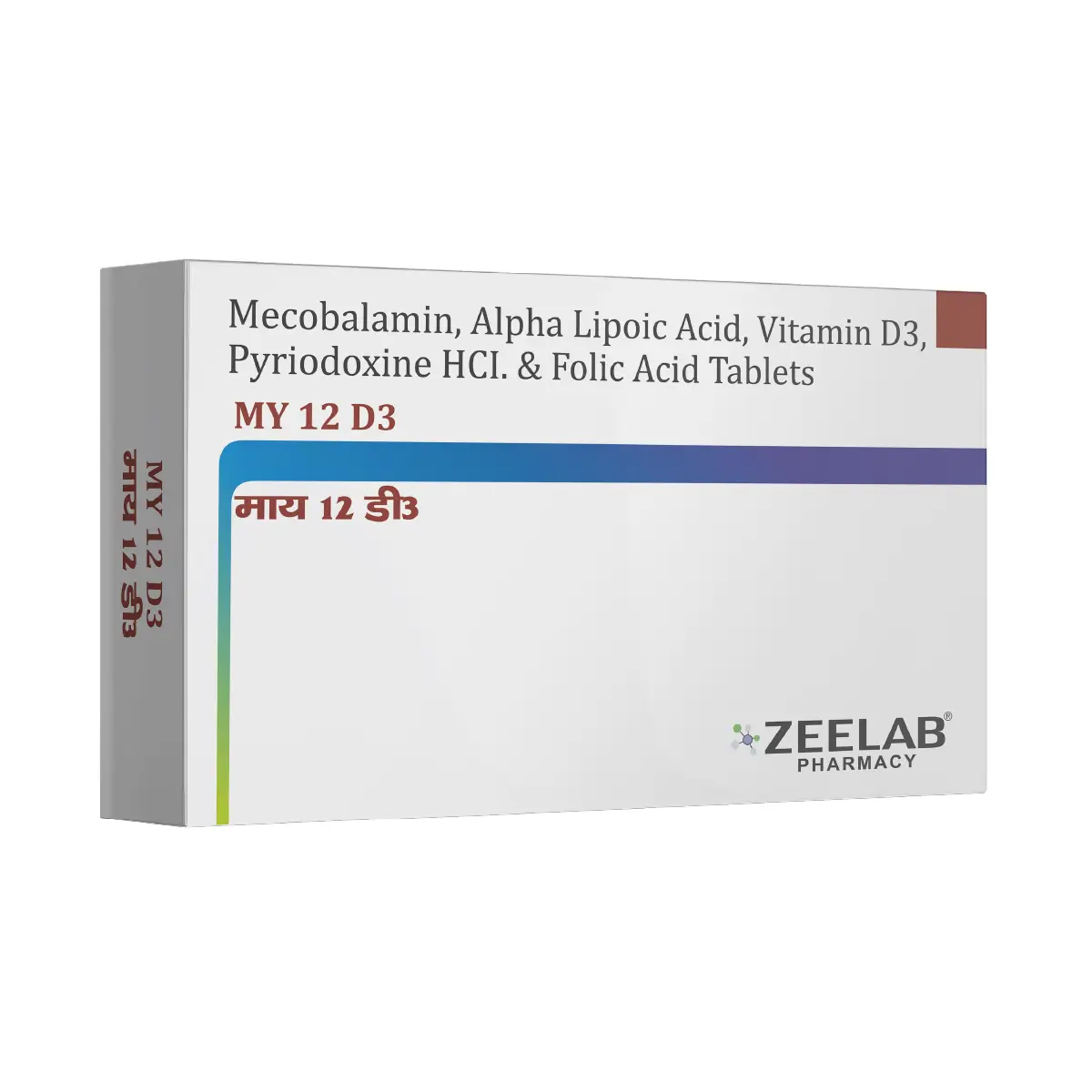
Methylcobalamin (1500mcg) + Alpha Lipoic Acid (100mg) + Vitamin B6 (Pyridoxine) (3mg) + Folic Acid (1.5mg) + Vitamin D3 (1000IU)
15 Tablets In 1 Strip
References
Recent Blogs




Disclaimer : Zeelab Pharmacy provides health information for knowledge only. Do not self-medicate. Always consult a qualified doctor before starting, stopping, or changing any medicine or treatment.
Related Products


₹ 0
0
Items added
Quick Links
Categories
Our Policies

Our Socials


Subscribe

2026 Copyright By © Zeelab Pharmacy Private Limited. All Rights Reserved
Our Payment Partners

 Added!